

Common Electrolyte Deficiencies on Keto | Signs of Keto Mineral Deficiency | Healthy Diet Happy Life
The ketogenic diet, or keto, is very popular. Many people follow it to lose weight. However, when you start keto, you might face some challenges. One major challenge is electrolyte deficiencies. Let’s explore what electrolytes are and which ones you might lack on keto.
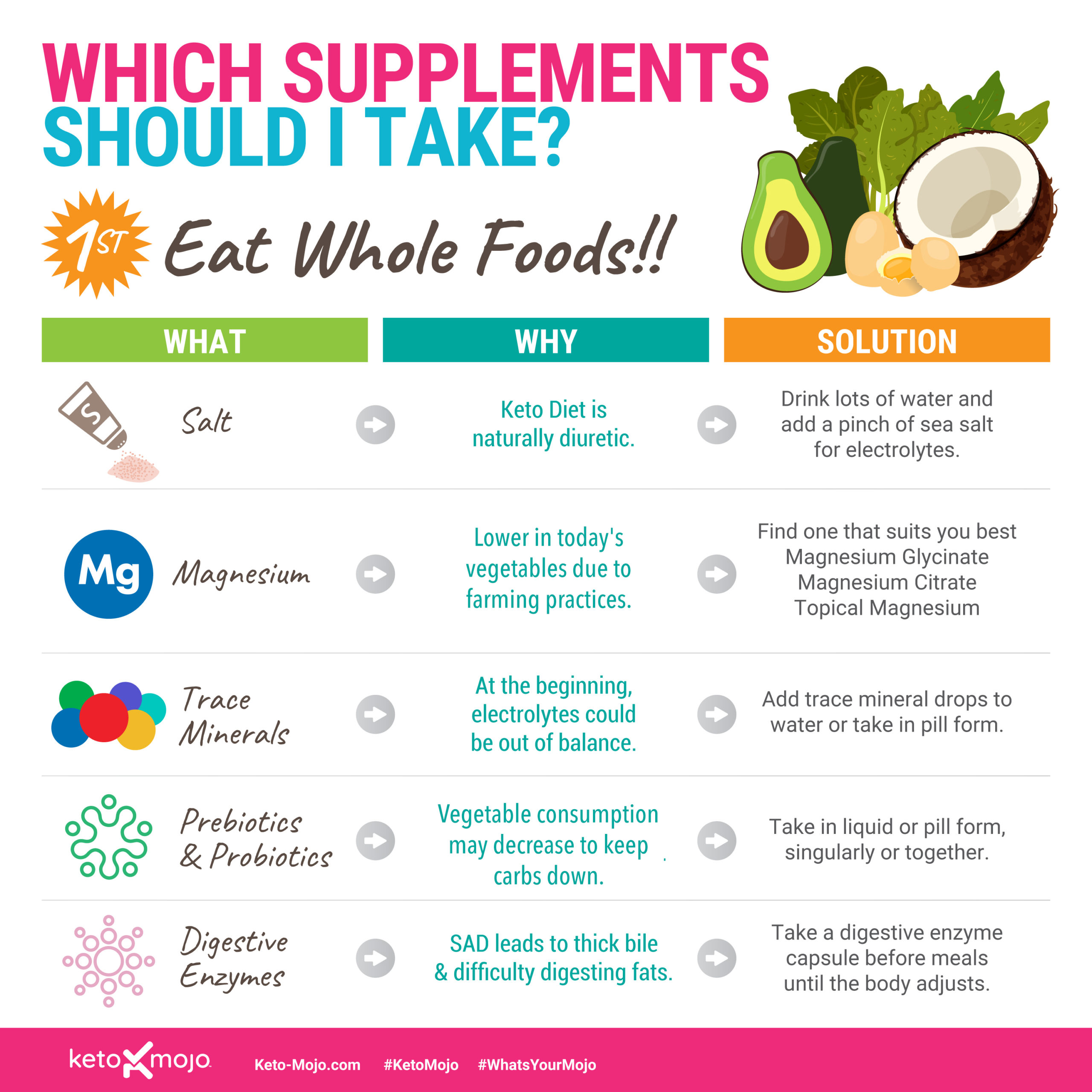
Credit: keto-mojo.com
What Are Electrolytes?
Electrolytes are minerals in your body. They help with many important functions. Some key electrolytes include:
- Sodium
- Potassium
- Magnesium
- Calcium
These minerals help control your body’s fluids. They also help with muscle contractions and nerve function.

Credit: www.amazon.com
Why Do Electrolyte Deficiencies Happen on Keto?
When you start a keto diet, your body changes. It shifts from burning carbs to burning fat. This process can lead to losing water and minerals. Here are some reasons for electrolyte deficiencies:
- Reduced Carb Intake: Carbs hold water in your body. When you cut carbs, you lose water.
- Increased Urination: Keto can make you urinate more. This can lead to losing electrolytes.
- Diet Changes: Some foods high in electrolytes may be limited on keto.
Common Electrolyte Deficiencies on Keto
Now, let’s look at the common electrolyte deficiencies you may experience on the keto diet.
1. Sodium Deficiency
Sodium is very important for your body. It helps maintain fluid balance. On keto, some people do not get enough sodium. This can lead to symptoms like:
- Headaches
- Fatigue
- Dizziness
- Cramps
To prevent sodium deficiency, consider adding more salt to your meals. You can also drink broth to boost your sodium intake.
2. Potassium Deficiency
Potassium helps with muscle function and heart health. On keto, you may not eat enough potassium-rich foods. This can cause:
- Muscle weakness
- Fatigue
- Heart palpitations
To increase potassium, eat foods like avocados, spinach, and nuts. These foods are keto-friendly and rich in potassium.
3. Magnesium Deficiency
Magnesium is vital for many body functions. It helps with energy production and muscle contractions. Many people on keto may lack magnesium. Symptoms of magnesium deficiency include:
- Muscle cramps
- Twitching
- Sleep issues
To boost magnesium, eat foods like leafy greens, nuts, and seeds. You can also consider magnesium supplements.
4. Calcium Deficiency
Calcium is key for strong bones and teeth. Some people on a keto diet may not get enough calcium. This can lead to:
- Bone pain
- Muscle spasms
- Dental issues
Include calcium-rich foods like cheese and leafy greens in your diet. This will help prevent deficiency.
How to Prevent Electrolyte Deficiencies on Keto
Preventing electrolyte deficiencies is important for your health. Here are some tips:
- Eat a Variety of Foods: Include different foods in your diet.
- Stay Hydrated: Drink plenty of water throughout the day.
- Consider Supplements: Talk to your doctor about electrolyte supplements.
- Monitor Your Symptoms: Keep track of how you feel. If you notice any issues, consult a doctor.
Signs of Electrolyte Imbalance
It’s essential to recognize the signs of an electrolyte imbalance. Here are some common symptoms:
- Fatigue
- Muscle cramps
- Headaches
- Dizziness
- Heart palpitations
If you experience these symptoms, check your electrolyte intake. It may be time to adjust your diet.
Conclusion
Electrolyte deficiencies can be a common issue on the keto diet. Understanding these deficiencies is key to staying healthy. Remember to eat a variety of foods. Stay hydrated and consider supplements if needed. Monitoring your symptoms is vital. Always consult a healthcare professional if you have concerns.
By being proactive, you can enjoy the benefits of the keto diet without the risks of electrolyte imbalances.


