

Is Italian Food Mediterranean Diet Friendly? Unveil Now!
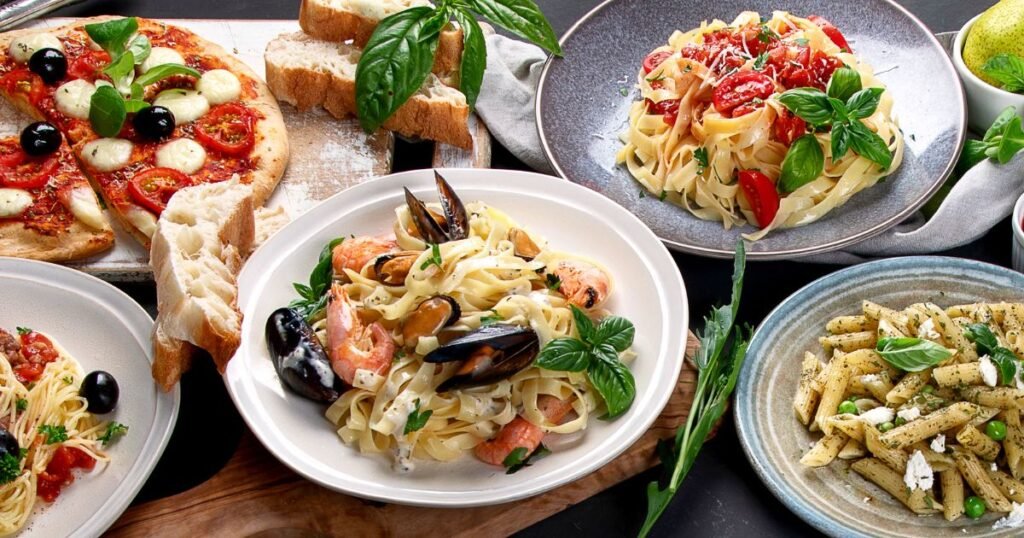
Italian food is often associated with delicious pasta, pizza, and gelato, but did you know that it is also a key component of the Mediterranean diet? The Mediterranean diet is renowned for its health benefits and is based on the traditional eating habits of people from countries like Italy, Greece, and Spain.
Credit: allroadsleadtoitaly.com
What is the Mediterranean Diet?
The Mediterranean diet is not just a diet but a lifestyle that emphasizes the consumption of whole, minimally processed foods such as fruits, vegetables, whole grains, legumes, nuts, seeds, olive oil, and fish. It also includes moderate amounts of dairy products, poultry, and eggs, with limited red meat consumption.
Italian Food and the Mediterranean Diet
Italian cuisine is deeply rooted in the principles of the Mediterranean diet. Italian dishes are typically rich in fresh vegetables, fruits, whole grains, and olive oil, making them not only delicious but also nutritious. Let’s explore some key components of Italian food that align with the Mediterranean diet:
1. Olive Oil
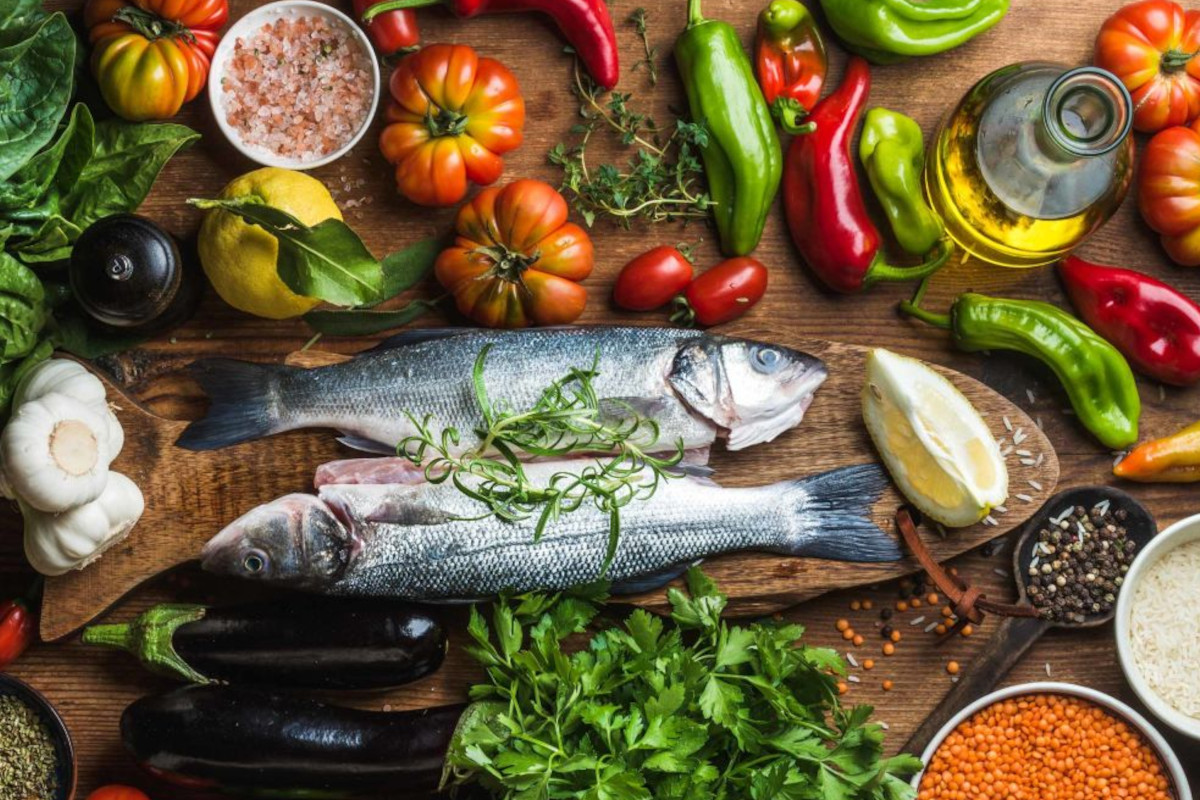
Olive oil is a staple in Italian cooking and a hallmark of the Mediterranean diet. It is used for cooking, dressing salads, and drizzling over dishes. Olive oil is rich in monounsaturated fats and antioxidants, which are beneficial for heart health.
2. Fresh Vegetables
Italian cuisine features a variety of fresh vegetables such as tomatoes, eggplants, zucchini, and bell peppers. These vegetables are packed with vitamins, minerals, and fiber, promoting overall health and well-being.
3. Whole Grains
Whole grains like pasta, bread, and risotto are commonly consumed in Italian cuisine. Whole grains provide essential nutrients and are a good source of fiber, which aids in digestion and helps maintain a healthy weight.
4. Fish And Seafood
Italy’s extensive coastline means that fish and seafood play a significant role in Italian culinary traditions. Fish such as salmon, sardines, and anchovies are rich in omega-3 fatty acids, which are beneficial for heart health and reducing inflammation.
5. Fresh Herbs And Spices
Italian dishes are often seasoned with fresh herbs like basil, parsley, and oregano, as well as aromatic spices like garlic and red pepper flakes. These ingredients not only add flavor but also provide health benefits due to their antioxidant properties.
Credit: news.italianfood.net
Benefits of the Mediterranean Diet
Following a Mediterranean diet, which includes Italian food, has been linked to numerous health benefits:
- Reduced risk of heart disease
- Improved weight management
- Lower risk of certain cancers
- Better cognitive function
- Improved longevity
In addition to its health benefits, the Mediterranean diet is also praised for its emphasis on enjoying meals with family and friends, savoring food, and practicing mindful eating.
Frequently Asked Questions
Is Italian Food Part Of The Mediterranean Diet?
Yes, Italian food is an integral part of the Mediterranean diet due to its emphasis on fresh produce, olive oil, and lean proteins.
What Are The Key Components Of Italian Cuisine?
Italian cuisine includes fresh vegetables, olive oil, whole grains, lean proteins, and a moderate consumption of wine.
How Does Italian Food Contribute To A Healthy Lifestyle?
Italian food promotes a healthy lifestyle by focusing on fresh, natural ingredients and balanced nutrition, resulting in overall well-being.
What Are Some Popular Dishes In Italian Cuisine?
Popular Italian dishes include pasta, risotto, bruschetta, caprese salad, minestrone soup, and various seafood and vegetable-based dishes.
Conclusion
Italian food is indeed a vital part of the Mediterranean diet, known for its health-promoting qualities and delicious flavors. By incorporating the principles of the Mediterranean diet into your lifestyle, you can enjoy the benefits of this wholesome way of eating while savoring the culinary delights of Italy.


