
Plant-Based Food List | Kitchen Stocking Secrets | Healthy Diet Happy Life
Remember that first grocery trip after deciding to go plant-based? Standing there with your phone out, frantically googling “what can I actually eat?” while other shoppers navigate around you like you’re a confused tourist. Yeah, we’ve all been there. The produce section suddenly feels massive, and you’re not sure if that weird spiky fruit is supposed to be part of your new lifestyle or not.
Here’s the thing about plant-based eating—it’s not about restriction, it’s about expansion. You’re about to discover foods you never knew existed and rediscover ones you forgot you loved. This complete plant-based diet food list will turn you from a bewildered browser into a confident cart-filler who knows exactly what belongs in a healthy, satisfying plant-powered kitchen.
The Plant-Based Pantry Essentials
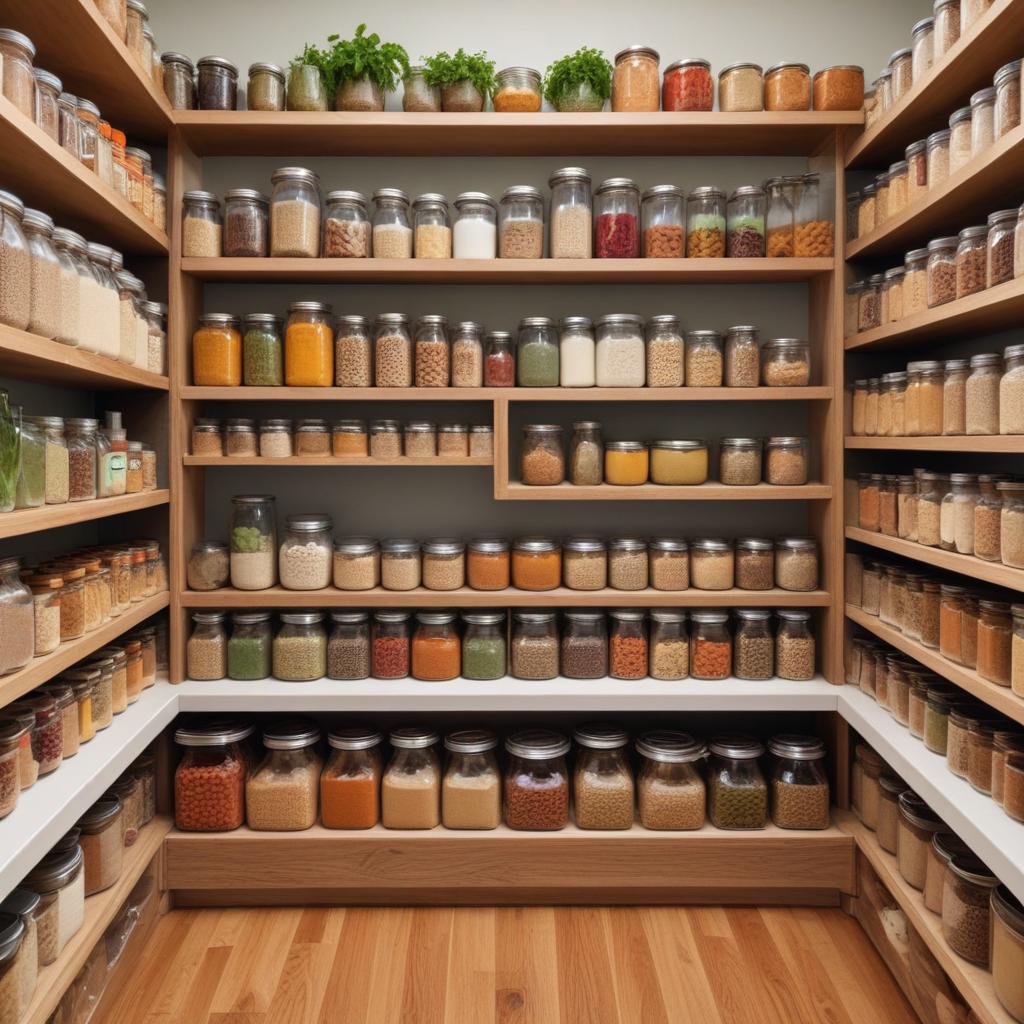
Your pantry is like the foundation of a house—get this right, and everything else becomes so much easier. These shelf-stable staples will be your go-to ingredients for quick meals when life gets hectic.
Grains and starches are your energy powerhouses. Stock up on brown rice, quinoa, oats, and whole wheat pasta. Don’t overlook sweet potatoes and regular potatoes either—they’re incredibly versatile and surprisingly nutritious. Quinoa might cost a bit more upfront, but it cooks faster than rice and packs more protein per serving.
Legumes are where the magic happens for protein and fiber. Dried beans and lentils are cheapest, but canned versions save time on busy weeknights. Keep black beans, chickpeas, kidney beans, and red lentils on hand as your core rotation. Pro tip: rinse canned beans to reduce sodium and improve digestibility.
Nuts and seeds add healthy fats and satisfying crunch to everything. Almonds, walnuts, pumpkin seeds, and chia seeds are nutritional powerhouses. Tahini and natural nut butters count here too—they’re lifesavers for quick sauces and smoothies.
Fresh Produce That Actually Gets Used
Let’s be honest about vegetables—we all have good intentions that sometimes end up as expensive compost in the crisper drawer. The key is choosing produce that’s versatile and has a decent shelf life.
Hardy vegetables like carrots, bell peppers, broccoli, and cauliflower stay fresh longer and work in tons of different dishes. Onions and garlic are non-negotiables—they’re the flavor foundation for most savory cooking. Leafy greens like spinach and kale pack incredible nutrition, but start with what you’ll actually eat. If you hate kale, spinach works just fine.
Seasonal fruits keep things interesting and budget-friendly. Bananas are perfect for smoothies and last longer than you’d think. Berries are antioxidant superstars, and frozen ones work great for most recipes. Citrus fruits like lemons and limes brighten up everything and keep well in the fridge.
Don’t stress about buying everything organic right away. Focus on the “dirty dozen” list for pesticide-heavy produce if budget’s a concern, but any fruits and vegetables are better than none.
Protein Sources That Actually Fill You Up
The protein question comes up constantly, and honestly, it’s way less complicated than people make it seem. Plant proteins are everywhere once you know where to look.
Legumes are your protein MVPs. A cup of cooked lentils has about 18 grams of protein—that’s more than many meat sources. Chickpeas, black beans, and split peas all pack similar nutritional punches. They’re also loaded with fiber, which keeps you full longer than most animal proteins.
Nuts and seeds contribute both protein and healthy fats. Hemp seeds are particularly impressive—three tablespoons give you 10 grams of complete protein. Pumpkin seeds, sunflower seeds, and all varieties of nuts add up throughout the day.
Whole grains aren’t just carbs—many are surprisingly protein-rich. Quinoa is a complete protein (contains all essential amino acids), while oats, brown rice, and whole wheat products all contribute meaningful amounts.
Smart Shopping: Your Plant-Based Diet Food List by Category
| Food Category | Must-Haves | Nice-to-Haves | Storage Tips |
|---|---|---|---|
| Grains | Brown rice, quinoa, oats | Farro, barley, millet | Airtight containers, cool dry place |
| Legumes | Black beans, chickpeas, lentils | White beans, split peas | Soak dried beans overnight |
| Nuts/Seeds | Almonds, walnuts, chia seeds | Hemp seeds, cashews | Refrigerate after opening |
| Vegetables | Onions, carrots, bell peppers | Mushrooms, zucchini | Most veggies prefer the crisper drawer |
| Fruits | Bananas, berries, citrus | Dates, coconut | Bananas ripen faster near other fruits |
Fridge and Freezer Favorites
Your cold storage is where fresh flavors live. Plant-based milk alternatives have come so far—oat milk froths beautifully for coffee, while almond milk works great in cereal and smoothies. Many are fortified with calcium and B12, which is helpful for plant-based eaters.
Fresh herbs transform ordinary meals into something special. Basil, cilantro, and parsley are incredibly versatile. If you struggle to use them before they wilt, freeze them in olive oil using ice cube trays—instant flavor bombs for future cooking.
Frozen vegetables are nutritionally equivalent to fresh and sometimes even better, since they’re frozen at peak ripeness. Frozen berries, spinach, and mixed vegetables are convenient backup options for when fresh runs low.
Flavor Boosters That Make Everything Delicious
Here’s where plant-based cooking gets really exciting. Nutritional yeast might sound weird, but it adds a nutty, almost cheesy flavor that transforms simple dishes. Sprinkle it on popcorn, stir it into pasta, or use it in homemade dressings.
Good oils make a huge difference. Extra virgin olive oil for finishing dishes, coconut oil for higher-heat cooking, and sesame oil for Asian-inspired flavors. A little goes a long way with quality oils.
Condiments and sauces are your secret weapons. Tahini, soy sauce, hot sauce, and good mustard can completely change a dish’s personality. Apple cider vinegar and lemon juice brighten flavors naturally.
Special Ingredients Worth Seeking Out
Some plant-based foods might be new to you but are worth adding to your rotation. Tempeh is fermented soybeans with a nutty flavor and firm texture—it’s less processed than many meat alternatives and packs serious protein.
Coconut milk (the canned, full-fat kind) creates incredibly creamy curries and sauces. Dates are nature’s candy and work as natural sweeteners in everything from smoothies to energy balls.
Seaweed snacks might sound intimidating, but they’re surprisingly addictive and loaded with minerals that can be harder to get from land plants.
Building Your Beginner Shopping List
If you’re just starting out, don’t try to buy everything at once. Focus on building your plant-based diet food list gradually, starting with versatile basics that work in multiple dishes.
Week one might include brown rice, black beans, spinach, bananas, oats, almond butter, and olive oil. These seven items alone can create dozens of different meals. Add a few new items each shopping trip as you discover what you actually enjoy eating.
The goal isn’t perfection—it’s progress. Even if you’re just adding more plant foods to your current eating style, you’re moving in a healthier direction.
Frequently Asked Questions
How much should I spend on groceries for plant-based eating?
Plant-based eating can actually be quite budget-friendly if you focus on whole foods rather than specialty products. Beans, rice, seasonal vegetables, and fruits are among the cheapest foods in the store. Expect to spend similarly to your current grocery budget, maybe even less once you find your rhythm.
Do I need to buy everything organic?
Not necessarily. If budget allows, prioritize organic for the “dirty dozen” fruits and vegetables that tend to have higher pesticide residues. But conventional produce is still incredibly healthy and much better than no produce at all. Focus on eating more plants first, then upgrade to organic as your budget permits.
What about vitamin B12 and other nutrients?
B12 is the main nutrient that’s harder to get from plants alone, so consider a supplement or fortified foods like plant milk and nutritional yeast. Iron absorption improves when you eat vitamin C-rich foods with iron-rich plants. A varied plant-based diet typically provides excellent nutrition, but it’s worth checking with your doctor about any specific concerns.
How do I meal prep with these ingredients?
Batch cooking is your friend. Cook large amounts of grains and legumes on weekends, then mix and match throughout the week. Pre-cut vegetables when you get home from shopping. Having cooked quinoa, roasted vegetables, and a few sauces ready makes weeknight meals incredibly fast.
What if I don’t like some of these foods?
That’s totally normal! There are so many plant foods that you don’t need to force yourself to eat anything you genuinely dislike. Hate kale? Spinach has similar benefits. Can’t stand quinoa? Brown rice works just fine. The key is finding enough variety within foods you actually enjoy eating.
Building a plant-based kitchen doesn’t happen overnight, and that’s perfectly okay. Start with the basics, experiment with new ingredients gradually, and remember that every plant-forward meal is a step in the right direction. Your taste buds will adapt, your energy will improve, and before you know it, you’ll be the one helping confused newbies navigate the produce section.
What’s the one plant-based food you’re most excited to try? Or if you’re already eating plants, what ingredient completely surprised you with how much you loved it?


