

Typical Japanese Diet Menu: Unlock Healthy Eating Secrets!
When it comes to healthy eating, the Japanese have long been admired for their longevity and low rates of chronic diseases. The traditional Japanese diet is not only delicious but also packed with nutrient-rich foods that promote overall health and well-being. In this article, we will explore the typical Japanese diet menu and its numerous benefits.
:max_bytes(150000):strip_icc()/Japanese-Meal-56a540f35f9b58b7d0dbeb2b.jpg)
Credit: www.thespruceeats.com
Overview of the Japanese Diet
The Japanese diet is primarily based on fresh, seasonal, and locally sourced ingredients. It is characterized by a high consumption of vegetables, seafood, rice, and soy products. The diet is low in saturated fats, added sugars, and processed foods, making it one of the healthiest diets in the world.
Components of a Typical Japanese Diet Menu
1. Rice: Rice is a staple in the Japanese diet and is typically consumed with every meal. It is a rich source of carbohydrates and provides essential nutrients such as fiber, B vitamins, and minerals.
2. Fish and Seafood: The Japanese diet includes a wide variety of fish and seafood, such as salmon, mackerel, tuna, shrimp, and squid. These are excellent sources of omega-3 fatty acids, which are known for their heart-healthy benefits.
3. Vegetables: Vegetables are a vital part of the Japanese diet, and they are consumed in abundance. Popular choices include seaweed, spinach, cabbage, mushrooms, and daikon radish. These vegetables are rich in antioxidants, vitamins, and minerals.
4. Soy Products: Soy products like tofu, miso, and soy sauce are widely used in Japanese cuisine. They are a great source of plant-based protein and contain beneficial compounds called isoflavones, which have been linked to various health benefits.
5. Noodles: Noodles, such as udon, soba, and ramen, are commonly consumed in Japan. They are often served with vegetables, seafood, or tofu, providing a balanced and satisfying meal.
6. Fermented Foods: Fermented foods like pickles, kimchi, and natto are commonly consumed in Japan. These foods are rich in probiotics, which promote a healthy gut and support digestion.
7. Green Tea: Green tea is the most popular beverage in Japan. It is packed with antioxidants called catechins, which have been shown to have numerous health benefits, including reducing the risk of heart disease and certain types of cancer.
Benefits of the Japanese Diet
The typical Japanese diet offers a range of health benefits:
- Heart Health: The low intake of saturated fats and high consumption of omega-3 fatty acids from fish contribute to a reduced risk of heart disease.
- Weight Management: The emphasis on nutrient-dense foods and portion control helps maintain a healthy weight.
- Longevity: The Japanese have one of the highest life expectancies in the world, which is attributed to their healthy diet and lifestyle.
- Reduced Risk of Chronic Diseases: The abundance of vegetables, seafood, and soy products in the Japanese diet is associated with a reduced risk of chronic diseases such as cancer, diabetes, and hypertension.
- Improved Digestion: The consumption of fermented foods promotes a healthy gut microbiome, aiding digestion and nutrient absorption.
- Enhanced Brain Function: The omega-3 fatty acids found in fish are beneficial for brain health and may help reduce the risk of cognitive decline and dementia.
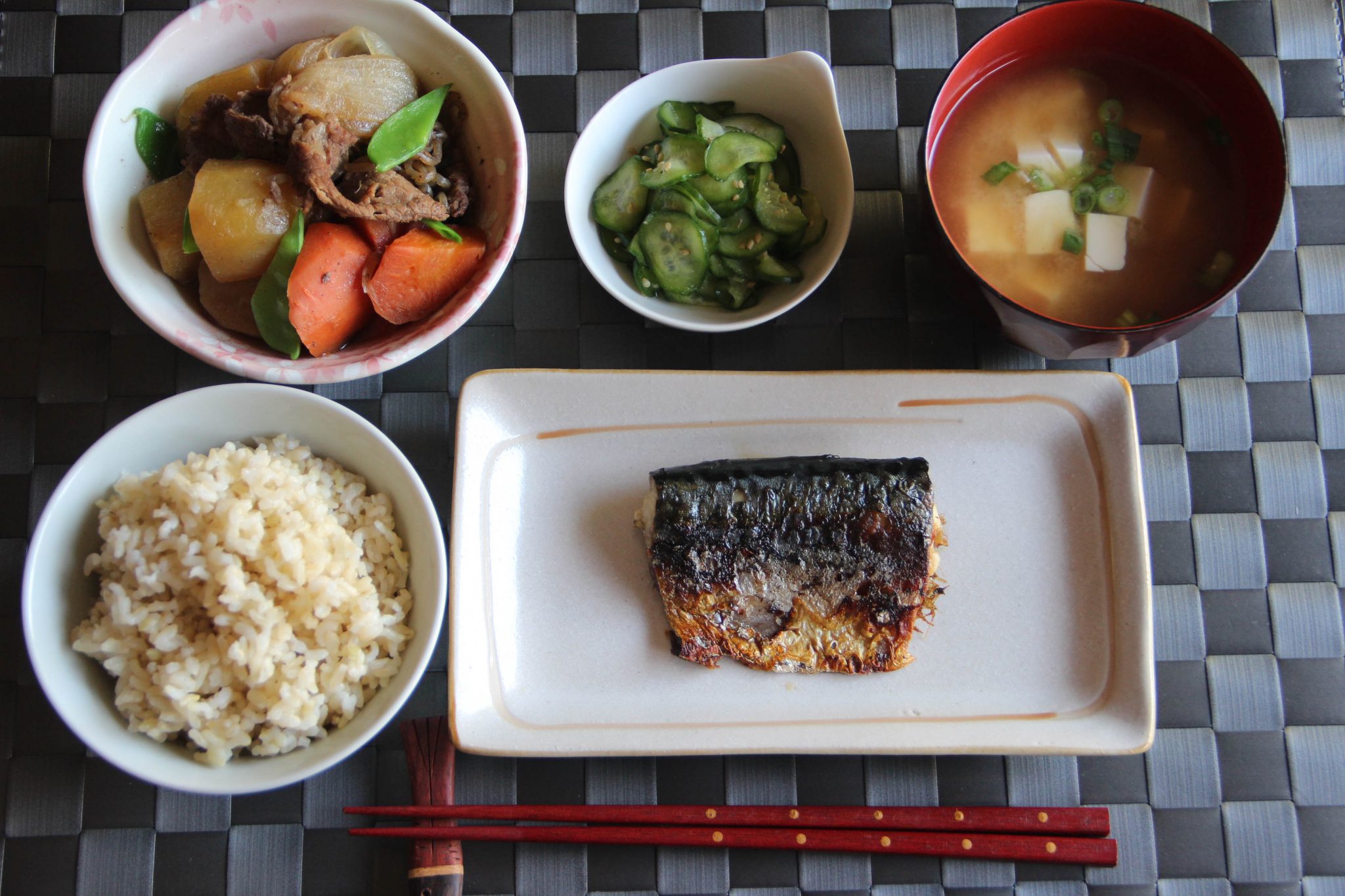
Credit: www.japanesecooking101.com
Sample Japanese Diet Menu
Here is an example of a typical Japanese diet menu:
| Meal | Food Items |
|---|---|
| Breakfast | Miso Soup, Steamed Rice, Grilled Fish, Pickles, and Green Tea |
| Lunch | Soba Noodles with Tempura Vegetables, Seaweed Salad, and Green Tea |
| Dinner | Sushi (Assorted Fish and Vegetables), Miso Soup, Steamed Vegetables, and Green Tea |
| Snack | Edamame (Steamed Soybeans) |
It’s important to note that the Japanese diet is not limited to the above menu. There is a wide variety of dishes and regional specialties that make up the diverse Japanese cuisine.
Frequently Asked Questions
What Is A Typical Japanese Diet Menu Like?
A typical Japanese diet menu consists of rice, miso soup, fish, vegetables, and pickled foods.
How Healthy Is A Japanese Diet?
A Japanese diet is considered one of the healthiest in the world. It is high in nutrients, low in fat, and rich in antioxidants.
What Are Some Staple Foods In A Japanese Diet?
Some staple foods in a Japanese diet include rice, fish, tofu, seaweed, vegetables, and green tea.
Can A Japanese Diet Help With Weight Loss?
Yes, a Japanese diet can help with weight loss due to its low-calorie density and high nutrient content.
Conclusion
The typical Japanese diet menu is a great example of a healthy and balanced approach to eating. It focuses on whole, minimally processed foods, and offers a wide range of nutrients that promote overall health and well-being. Incorporating elements of the Japanese diet into your own meals can be a delicious way to improve your eating habits and reap the benefits of this time-tested culinary tradition.


