

Is American Diet Healthy? | Unveiling the Truth | Healthy Diet Happy Life
The American diet is generally unhealthy. It is high in processed foods, sugars, and unhealthy fats.
Many Americans consume diets rich in processed foods, added sugars, and unhealthy fats. These dietary habits contribute to obesity, heart disease, and diabetes. Fresh fruits, vegetables, whole grains, and lean proteins are often lacking. Portion sizes are also larger, leading to excessive calorie intake.
Fast food and sugary beverages are popular, further impacting health negatively. Efforts to promote healthier eating habits are essential. Emphasizing whole foods and balanced nutrition can improve overall health. Small changes in daily diets can lead to significant health benefits. It’s crucial to make informed food choices for better health outcomes.
The American Diet: A Kaleidoscope Of Nutritional Value
The American diet is a mix of various foods and flavors. It includes traditional meals, fast foods, and international dishes. This variety brings different nutritional values to the table. But is it healthy? Let’s explore.
Typical Foods And Ingredients
Typical American foods include burgers, fries, and pizza. These are often high in fats and calories. But there are also healthier options like salads, fruits, and lean meats.
Common ingredients in American kitchens are flour, sugar, and oils. Fresh vegetables, whole grains, and dairy products are also staples. These ingredients can be used to prepare both healthy and unhealthy meals.
| Typical Foods | Common Ingredients |
|---|---|
| Burgers | Flour |
| Fries | Sugar |
| Pizza | Oils |
| Salads | Fresh Vegetables |
| Fruits | Whole Grains |
| Lean Meats | Dairy Products |
Caloric Intake And Portion Sizes
The average American consumes around 3,600 calories daily. This is higher than the recommended intake. Large portion sizes contribute to this high caloric intake.
Fast food portions are often larger than needed. This leads to overeating. Home-cooked meals can also have large portions. It’s important to monitor serving sizes.
- Typical fast food meal: 1,200 calories
- Home-cooked dinner: 800-1,000 calories
- Snacks: 200-300 calories each
Balancing calories and portions is key to a healthy diet. Eating smaller portions helps control calorie intake. Choosing nutrient-rich foods is also important.
Nutritional Guidelines Vs. Reality
Is the American diet healthy? There is a clear gap between nutritional guidelines and what people actually eat. Understanding this gap can help address health issues.
Government Dietary Recommendations
The U.S. government provides dietary recommendations through the Dietary Guidelines for Americans. These guidelines suggest:
- Eating a variety of vegetables
- Consuming fruits, especially whole fruits
- Choosing whole grains over refined grains
- Opting for lean proteins, including seafood, poultry, and beans
- Limiting added sugars, saturated fats, and sodium
| Food Group | Recommended Daily Servings |
|---|---|
| Vegetables | 2.5 cups |
| Fruits | 2 cups |
| Grains | 6 ounces |
| Protein | 5.5 ounces |
| Dairy | 3 cups |
Actual Consumption Patterns
Many Americans do not follow these recommendations. Data shows:
- People eat fewer vegetables and fruits
- There is a high intake of refined grains
- Consumption of sugary drinks and snacks is common
A study showed that only 10% of Americans meet the vegetable intake recommendation. Over 60% of grains consumed are refined, not whole. Sugar intake is twice the recommended level.
This mismatch between guidelines and actual consumption leads to health issues. Obesity, diabetes, and heart disease are linked to poor diet choices.
The Rise Of Processed Foods
The American diet has changed a lot over the years. One big change is the rise of processed foods. These foods are quick and easy but often come with hidden dangers. Let’s explore the effects of this shift.
Health Impacts Of Preservatives And Additives
Processed foods often contain preservatives and additives. These chemicals help the food last longer. They also add color and flavor. But are they safe?
Studies show that some preservatives can cause health problems. For example, some may cause allergic reactions. Others might lead to weight gain. Additives like artificial colors can affect behavior in kids.
Here are some common preservatives and their health impacts:
| Preservative | Possible Health Impact |
|---|---|
| Sodium Nitrite | Linked to cancer |
| Monosodium Glutamate (MSG) | Can cause headaches |
| Artificial Colors | May affect behavior |
Convenience Vs. Quality In Food Choices
Processed foods are popular because they are convenient. You can grab a bag of chips or a frozen meal in minutes. But are these foods high-quality?
Convenience often means less nutrition. Many processed foods are high in sugar, salt, and unhealthy fats. They lack the vitamins and minerals found in fresh food. This can lead to health issues like obesity and diabetes.
Here are some ways to choose quality over convenience:
- Read the labels: Check for high sugar and salt content.
- Choose fresh fruits and vegetables: They provide essential nutrients.
- Cook at home: Control what goes into your food.
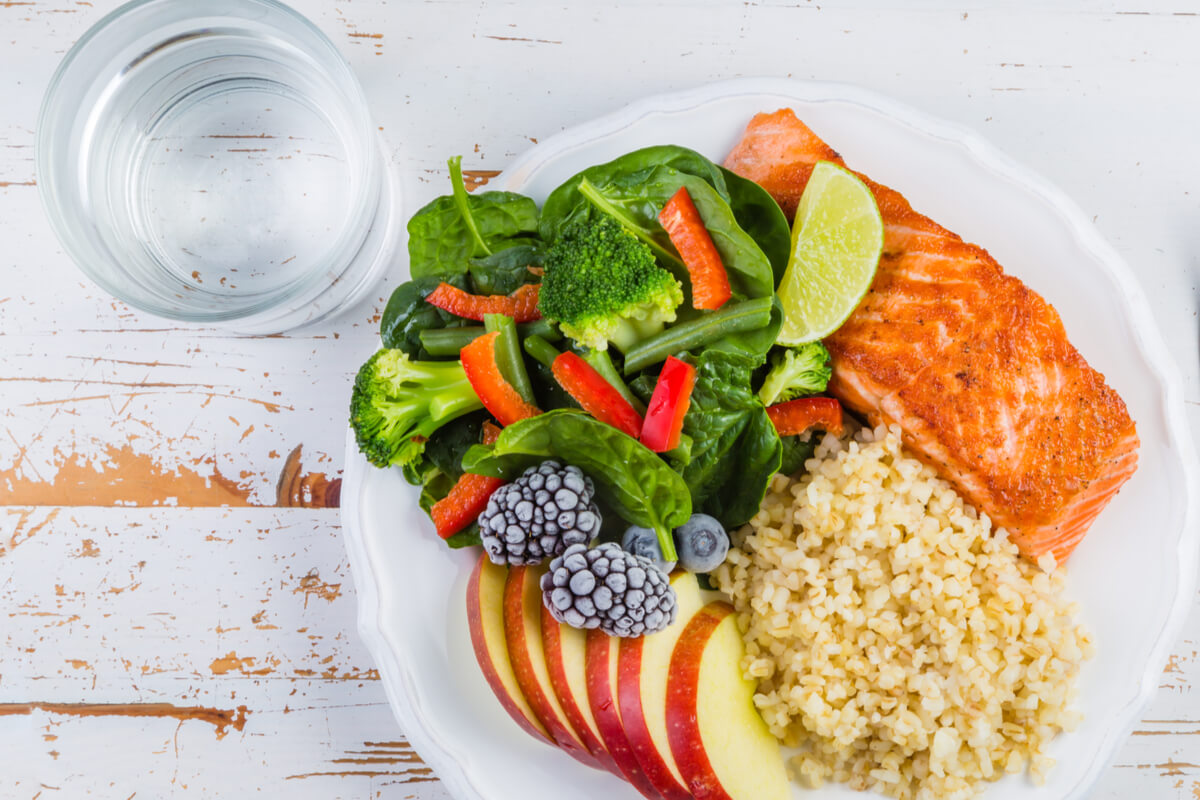
By being aware of these factors, you can make better food choices. Processed foods may be quick, but they come at a cost.
Credit: fullscript.com
Obesity And Health Issues
The American diet has led to rising obesity and many health problems. This issue affects both adults and children. It is crucial to explore the connection between diet, lifestyle, and health issues.
Statistics And Trends
Obesity rates in the United States are alarming. According to the CDC, over 42% of adults are obese. Among children, 19% are obese. These numbers have increased over the last few decades.
| Year | Adult Obesity Rate | Child Obesity Rate |
|---|---|---|
| 2000 | 30% | 14% |
| 2010 | 35% | 17% |
| 2020 | 42% | 19% |
These trends show a continuous rise in obesity rates. This rise affects public health and the economy.
Link To Diet And Lifestyle
Many factors contribute to obesity. Diet and lifestyle are major contributors. Processed foods and sugary drinks are common in the American diet. Fast food consumption has also increased.
- High intake of sugar and fat
- Large portion sizes
- Low consumption of fruits and vegetables
These dietary choices lead to weight gain. Sedentary lifestyles also play a role. Many people do not get enough physical activity. Screen time, including TV and computers, has replaced outdoor activities.
- Eat more whole foods
- Limit processed foods
- Increase physical activity
Making these changes can help reduce obesity rates. It can improve overall health and well-being. Small steps can lead to big changes.
The Socioeconomic Dimension
The American diet’s healthiness is influenced by socioeconomic factors. These factors determine access to nutritious foods and influence dietary choices. Not everyone has equal access to healthy options or can afford them. Understanding these dimensions is crucial to addressing dietary health issues.
Access To Healthy Options
Access to healthy food varies widely. In low-income areas, fresh fruits and vegetables are often scarce. These areas are known as food deserts. Here, people rely on convenience stores that lack nutritious options.
In contrast, wealthier areas have many supermarkets and farmers’ markets. These places offer a variety of fresh and healthy foods. This stark difference contributes to dietary disparities.
- Low-income areas: Limited access to fresh produce.
- High-income areas: Abundant access to healthy options.
Cost Comparison: Healthy Vs. Unhealthy Foods
The cost of food plays a significant role in dietary choices. Healthy foods often cost more than unhealthy options. This price difference affects what people buy and eat.
Let’s compare the costs:
| Food Type | Average Cost |
|---|---|
| Healthy Foods | $2.50 per serving |
| Unhealthy Foods | $1.00 per serving |
Families with limited budgets often choose cheaper, unhealthy foods. This choice is driven by economic constraints rather than preferences.
Healthy foods: Higher cost, more nutrients.
Unhealthy foods: Lower cost, less nutrients.

Credit: rossmedicalcare.com
Cultural Influences On Eating Habits
The American diet is shaped by various cultural influences. Different factors contribute to what Americans eat daily. Understanding these factors helps in assessing the healthiness of the American diet.
Fast Food Culture
Fast food plays a big role in American eating habits. Busy lifestyles lead to the popularity of quick meals. Fast food is often high in calories, fats, and sugars.
- Convenience: Fast food is quick and easy to get.
- Affordability: Meals are often cheaper than home-cooked food.
- Marketing: Fast food chains use ads to attract customers.
These factors make fast food a common choice. But frequent consumption can lead to health issues.
Traditional Vs. Modern Dietary Practices
Traditional diets often include whole foods and balanced meals. Modern diets tend to have more processed foods. This shift affects overall health.
| Traditional Diet | Modern Diet |
|---|---|
| Fresh fruits and vegetables | Packaged snacks |
| Whole grains | Refined grains |
| Lean proteins | Processed meats |
Traditional foods offer more nutrients. Modern diets often lack essential vitamins and minerals.
Eating habits evolve with cultural changes. Recognizing these changes helps in making healthier choices.
Impact Of Advertising And Media
Advertising and media deeply influence the American diet. They shape food choices and habits. This impact can lead to unhealthy eating patterns. Let’s explore how marketing and media play a role.
Marketing Unhealthy Foods
Food companies spend billions on advertising. They often promote junk foods. These foods are high in sugar, fat, and salt. Kids and teens see these ads everywhere.
Studies show that ads affect children’s food choices. They ask parents for unhealthy snacks. This leads to poor eating habits from a young age.
Media’s Role In Shaping Dietary Choices
Media influences what we eat. TV shows, movies, and social media show unhealthy foods. They make these foods look fun and tasty.
Many people follow diet trends seen in the media. These trends are not always healthy. They can lead to poor nutrition and health issues.
| Media Type | Impact on Diet |
|---|---|
| Television | Ads for junk foods, unhealthy snacks |
| Social Media | Influencers promote diet trends |
| Movies | Characters often eat junk food |
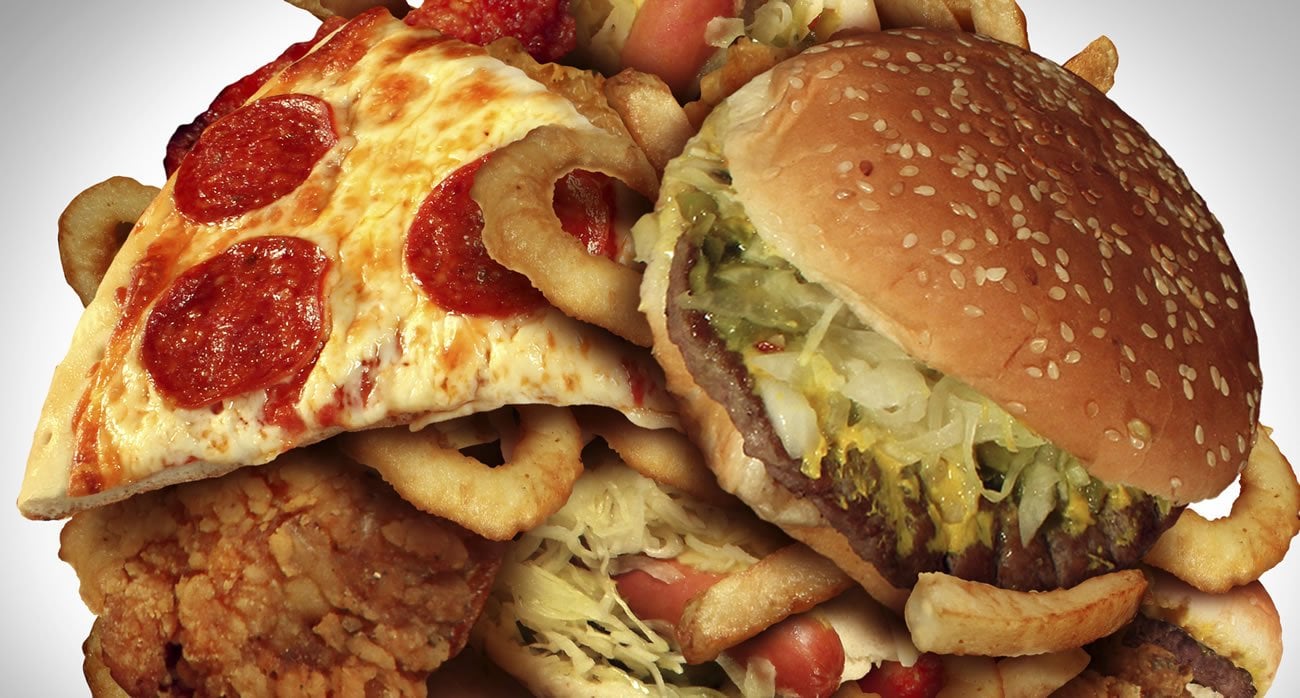
To make healthier choices, we must understand media’s role. Be aware of what you see and how it affects you. Choose foods that nourish your body.
Credit: www.pritikin.com
Steps Towards A Healthier Diet
The American diet often includes high levels of processed foods and sugars. This can lead to health issues such as obesity and heart disease. To improve health, people can take steps towards a healthier diet. This section explores educational initiatives and innovative solutions for healthier eating.
Educational Initiatives And Public Awareness
Educational initiatives play a key role in promoting healthier diets. Schools can include nutrition education in their curriculum. This helps children learn about healthy food choices early on.
Public awareness campaigns can also make a big difference. These campaigns often use social media to spread important messages. They might share tips on meal planning and grocery shopping. Seeing these messages frequently can help people make better food choices.
| Initiative | Focus Area |
|---|---|
| School Programs | Nutrition Education |
| Social Media Campaigns | Healthy Eating Tips |
Innovative Solutions For Healthier Eating
Innovative solutions can make healthy eating easier. One such solution is meal delivery services. These services offer pre-portioned ingredients and healthy recipes. This takes the guesswork out of meal planning.
Another solution is using mobile apps to track food intake. Many apps provide nutritional information and meal suggestions. This helps people stay on track with their dietary goals.
- Meal delivery services
- Mobile apps for tracking food intake
Farmers’ markets also provide fresh, local produce. Shopping at these markets supports healthier eating and local farmers.
Frequently Asked Questions
What Is The American Diet?
The American diet typically includes high amounts of processed foods, sugars, and fats. It often lacks fruits, vegetables, and whole grains. This imbalance can lead to various health issues.
Why Is The American Diet Unhealthy?
The American diet is unhealthy due to its high levels of processed foods and sugars. These contribute to obesity, diabetes, and heart disease. Lack of essential nutrients further exacerbates health problems.
How Can The American Diet Be Improved?
Improving the American diet involves increasing the intake of fruits, vegetables, and whole grains. Reducing processed foods and sugars is also crucial. Adopting balanced meals can improve overall health.
What Are The Risks Of The American Diet?
The American diet increases risks of obesity, diabetes, and cardiovascular diseases. It also contributes to poor mental health. Nutrient deficiencies can lead to weakened immune systems.
Conclusion
Balancing the American diet requires mindful choices and moderation. Focus on whole foods, lean proteins, and vegetables. Avoid excessive processed foods and sugar. A healthy diet leads to a healthier lifestyle. Making small changes can significantly improve overall well-being. Prioritize nutrition to enjoy long-term health benefits.


