

Mediterranean Diet 101: Meal Plan, Foods List, and Tips
The Mediterranean diet is more than just a way of eating; it’s a lifestyle rooted in the culinary traditions of countries bordering the Mediterranean Sea. Renowned for its health benefits, this diet emphasizes whole foods, healthy fats, and a variety of fresh ingredients. In this article, we will explore the essentials of the Mediterranean diet, including a comprehensive meal plan, a list of recommended foods, and practical tips to help you incorporate this nutritious way of eating into your daily life.
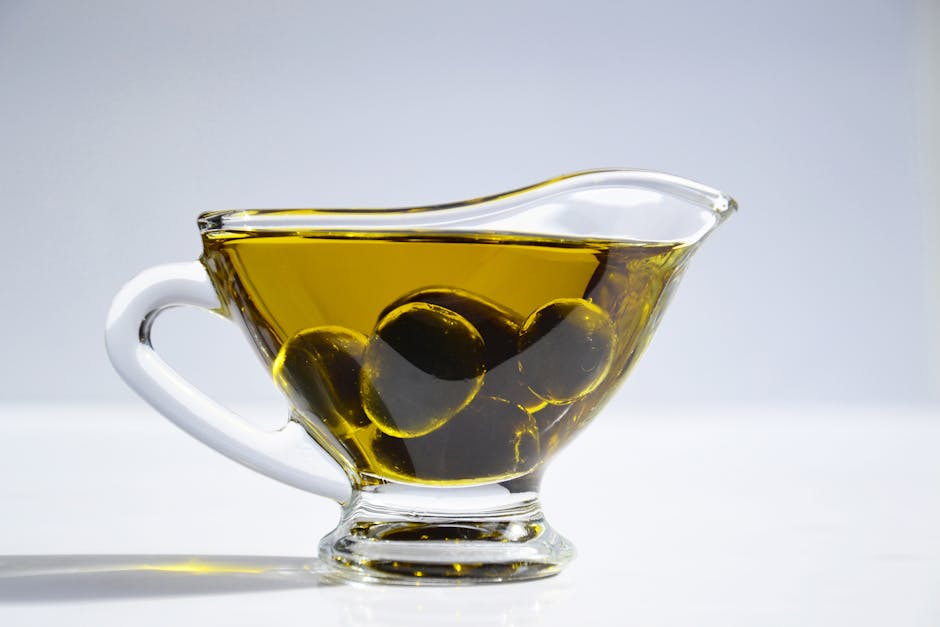
Mediterranean Diet 101: Meal Plan, Foods List, and Tips
What is the Mediterranean Diet?
The Mediterranean Diet is inspired by the traditional eating habits of countries bordering the Mediterranean Sea. It emphasizes whole, unprocessed foods, healthy fats, and a variety of flavors, making it not only nutritious but also enjoyable.
Core Components of the Mediterranean Diet
- Fruits and Vegetables: A wide variety of colorful fruits and vegetables should form the foundation of your meals.
- Whole Grains: Opt for whole grains like brown rice, quinoa, and whole-grain bread.
- Healthy Fats: Incorporate sources of healthy fats, particularly olive oil, nuts, and seeds.
- Lean Proteins: Focus on fish and poultry, while limiting red meat and processed meats.
- Dairy: Choose low-fat or fat-free dairy options, such as yogurt and cheese, in moderation.
- Herbs and Spices: Use herbs and spices to flavor foods instead of salt.
Sample Meal Plan
Breakfast
- Greek yogurt topped with fresh berries and a sprinkle of walnuts.
- Whole grain toast with avocado and a poached egg.
Lunch
- Quinoa salad with cherry tomatoes, cucumber, feta cheese, and a drizzle of olive oil.
- Hummus and vegetable wrap with spinach, bell peppers, and carrots.
Dinner
- Grilled salmon with a side of roasted vegetables and a small serving of brown rice.
- Chicken stir-fry with broccoli, bell peppers, and a side of whole grain couscous.
Snacks
- Fresh fruit or a handful of mixed nuts.
- Olives or a small serving of cheese with whole grain crackers.
Foods to Include
- Fruits: Apples, oranges, berries, grapes, and melons.
- Vegetables: Spinach, kale, tomatoes, zucchini, and bell peppers.
- Whole Grains: Oats, barley, farro, and whole wheat pasta.
- Proteins: Fish (especially fatty fish like salmon and sardines), chicken, legumes, and eggs.
- Nuts and Seeds: Almonds, walnuts, chia seeds, and flaxseeds.
- Healthy Fats: Extra virgin olive oil, avocado, and fatty fish.
Tips for Success
- Plan Ahead: Prepare meals in advance to avoid unhealthy choices during busy days.
- Stay Hydrated: Drink plenty of water and enjoy herbal teas instead of sugary drinks.
- Practice Portion Control: Be mindful of portion sizes, especially with calorie-dense foods like nuts and oils.
- Enjoy Meals: Take time to savor your food and eat with family and friends to enhance the dining experience.
- Be Flexible: Adapt the diet to your preferences, seasonal ingredients, and local availability.
Introduction to the Mediterranean Diet
Overview of the Mediterranean Diet and Its Origins
The Mediterranean Diet is a culinary tradition that originates from the countries bordering the Mediterranean Sea, including Greece, Italy, and Spain. This diet emphasizes the consumption of whole, minimally processed foods, such as fruits, vegetables, whole grains, legumes, nuts, and seeds. Olive oil serves as the primary source of fat, while fish and poultry are preferred over red meat. Dairy products, particularly cheese and yogurt, are consumed in moderation. The diet is not only a reflection of the region’s agricultural practices but also a celebration of local culture and seasonal ingredients.
Importance of the Mediterranean Lifestyle Beyond Just Food
While the Mediterranean Diet is often celebrated for its nutritional components, it encompasses a broader lifestyle that promotes overall well-being. Social connections, family meals, and physical activity are integral parts of this lifestyle. Eating is often a communal experience, fostering relationships and enhancing emotional health. Additionally, the Mediterranean lifestyle encourages regular physical activity, whether through walking, gardening, or traditional dances, which contributes to a balanced and fulfilling life.
Health Benefits Associated with the Mediterranean Diet
The Mediterranean Diet is linked to numerous health benefits, making it one of the most researched and recommended dietary patterns. One of the most significant advantages is its positive impact on heart health. Studies have shown that adhering to this diet can reduce the risk of cardiovascular diseases by lowering blood pressure, improving cholesterol levels, and reducing inflammation.
Moreover, the Mediterranean Diet is effective for weight management. Its emphasis on nutrient-dense foods and healthy fats helps individuals feel satiated, reducing the likelihood of overeating. The diet’s focus on whole foods also supports metabolic health, making it easier to maintain a healthy weight over time.
In addition to cardiovascular benefits and weight management, the Mediterranean Diet has been associated with a lower risk of chronic diseases such as diabetes, certain cancers, and neurodegenerative disorders. Its rich array of antioxidants and anti-inflammatory compounds contributes to overall health and longevity.
Key Components of the Mediterranean Diet
Emphasis on Whole, Minimally Processed Foods
The Mediterranean diet prioritizes whole, minimally processed foods, which are rich in nutrients and free from artificial additives. This approach encourages the consumption of fresh ingredients, allowing for a more natural and wholesome eating experience. By focusing on foods in their most natural state, individuals can enjoy the full spectrum of flavors and health benefits that come from unrefined ingredients.
High Consumption of Fruits and Vegetables
Fruits and vegetables are cornerstones of the Mediterranean diet, providing essential vitamins, minerals, and antioxidants. A wide variety of colorful produce is encouraged, which not only enhances the diet’s nutritional profile but also adds diversity and flavor to meals. Aim for at least five servings of fruits and vegetables each day to reap the maximum health benefits.
Use of Healthy Fats, Particularly Olive Oil
Healthy fats play a significant role in the Mediterranean diet, with olive oil being the primary source. Rich in monounsaturated fats and antioxidants, olive oil is known for its heart-healthy properties. It serves as a base for dressings, marinades, and cooking, promoting overall well-being while enhancing the taste of dishes.
Inclusion of Whole Grains, Legumes, Nuts, and Seeds
Whole grains, legumes, nuts, and seeds are integral to the Mediterranean diet, providing essential fiber, protein, and healthy fats. Foods such as quinoa, barley, lentils, chickpeas, almonds, and walnuts not only support digestive health but also contribute to satiety and sustained energy levels. Incorporating these foods into daily meals can help maintain a balanced diet.
Moderate Intake of Fish and Poultry
Fish and poultry are consumed in moderation within the Mediterranean diet, offering lean protein sources that are lower in saturated fat compared to red meat. Fatty fish, such as salmon and sardines, are particularly valued for their omega-3 fatty acids, which are beneficial for heart health. This balanced approach encourages variety while still providing essential nutrients.
Limited Consumption of Red Meat and Sweets
The Mediterranean diet advocates for limited consumption of red meat and sweets, promoting a healthier lifestyle. Red meat is enjoyed occasionally, while sweets are reserved for special occasions. This moderation helps to reduce the intake of saturated fats and added sugars, contributing to better overall health and weight management.
Health Benefits of the Mediterranean Diet
Heart Health
The Mediterranean diet is renowned for its heart-healthy benefits, significantly reducing the risk of cardiovascular diseases. This diet emphasizes the consumption of healthy fats, particularly from olive oil, nuts, and fish, which are rich in omega-3 fatty acids. These fats help lower bad cholesterol levels (LDL) while raising good cholesterol levels (HDL). Additionally, the diet is rich in fruits, vegetables, whole grains, and legumes, which are packed with antioxidants and fiber that contribute to improved heart health. Studies have shown that adherence to the Mediterranean diet is associated with lower rates of heart attacks, strokes, and other cardiovascular events.
Weight Management
Maintaining a healthy weight is another significant benefit of the Mediterranean diet. The focus on whole, minimally processed foods, along with a high intake of fiber from fruits, vegetables, and whole grains, promotes satiety and helps control hunger. Unlike restrictive diets, the Mediterranean approach encourages moderation and balance, making it easier for individuals to sustain healthy eating habits over the long term. Research indicates that those who follow the Mediterranean diet tend to have a lower body mass index (BMI) and a reduced risk of obesity-related conditions.
Reduced Risk of Chronic Diseases
Adopting the Mediterranean diet has been linked to a reduced risk of several chronic diseases, including type 2 diabetes, certain types of cancer, and neurodegenerative diseases such as Alzheimer’s. The diet’s emphasis on whole foods, particularly fruits and vegetables, provides a wealth of vitamins, minerals, and phytochemicals that help combat inflammation and oxidative stress, both of which are key contributors to chronic disease development. Studies suggest that individuals who adhere to this diet have a lower incidence of diabetes and improved glycemic control, as well as a decreased risk of developing certain cancers, particularly breast and colorectal cancer.
Improved Mental Health
The Mediterranean diet also has a positive impact on mental health, with research indicating a connection between dietary patterns and mood. The inclusion of omega-3 fatty acids from fish, along with antioxidants from fruits and vegetables, has been associated with lower rates of depression and anxiety. Additionally, the diet’s emphasis on whole foods and healthy fats supports brain health, potentially reducing the risk of cognitive decline and neurodegenerative diseases. Some studies have shown that individuals who follow the Mediterranean diet report better overall mental well-being and improved mood, highlighting the importance of nutrition in mental health.
Mediterranean Diet Meal Plan
Sample 7-Day Meal Plan for Beginners
Day 1
- Breakfast: Greek yogurt with honey and mixed berries.
- Lunch: Quinoa salad with cherry tomatoes, cucumber, feta cheese, and olives.
- Dinner: Grilled salmon with roasted vegetables (zucchini, bell peppers, and eggplant).
- Snacks: A handful of almonds and a piece of fruit (apple or pear).
Day 2
- Breakfast: Whole grain toast with avocado and poached egg.
- Lunch: Hummus with carrot and cucumber sticks, served with whole wheat pita.
- Dinner: Chicken souvlaki with a side of tzatziki and a Greek salad.
- Snacks: Greek yogurt with a sprinkle of cinnamon.
Day 3
- Breakfast: Smoothie with spinach, banana, almond milk, and a scoop of protein powder.
- Lunch: Lentil soup with a side of whole grain bread.
- Dinner: Baked cod with lemon, served with steamed broccoli and brown rice.
- Snacks: A handful of walnuts and a few dried apricots.
Day 4
- Breakfast: Oatmeal topped with sliced banana and a drizzle of honey.
- Lunch: Chickpea salad with red onion, parsley, and a lemon-olive oil dressing.
- Dinner: Stuffed bell peppers with quinoa, black beans, and spices.
- Snacks: Sliced cucumber with tzatziki.
Day 5
- Breakfast: Scrambled eggs with spinach and tomatoes.
- Lunch: Tuna salad with mixed greens, olives, and a balsamic vinaigrette.
- Dinner: Grilled shrimp with garlic and lemon, served with a side of asparagus.
- Snacks: A piece of dark chocolate and a handful of berries.
Day 6
- Breakfast: Chia seed pudding made with almond milk and topped with fresh fruit.
- Lunch: Mediterranean wrap with grilled chicken, hummus, and mixed veggies.
- Dinner: Eggplant Parmesan with a side salad.
- Snacks: A handful of pistachios and a small orange.
Day 7
- Breakfast: Smoothie bowl topped with granola and sliced fruits.
- Lunch: Falafel with a side of tabbouleh and tahini sauce.
- Dinner: Roast chicken with lemon and herbs, served with roasted sweet potatoes.
- Snacks: Sliced apple with almond butter.
Tips for Meal Prepping and Planning
- Choose a day each week to plan and prep your meals, making grocery lists to streamline shopping.
- Batch-cook grains like quinoa or brown rice to use throughout the week.
- Chop vegetables in advance and store them in airtight containers for quick access.
- Prepare snacks in portion sizes to avoid mindless eating.
- Utilize freezer-friendly meals to save time on busy days.
- Experiment with different herbs and spices to keep meals exciting and flavorful.
Foods to Include in Your Mediterranean Diet
Fruits and Vegetables: Seasonal and Local Options
The Mediterranean diet emphasizes the consumption of a wide variety of fruits and vegetables, ideally sourced from local and seasonal producers. This not only ensures maximum freshness and flavor but also supports local agriculture. Popular choices include:
- Tomatoes
- Bell peppers
- Spinach
- Eggplant
- Oranges
- Figs
- Olives
Incorporating a rainbow of colors in your meals can help maximize nutrient intake and provide a plethora of antioxidants.
Whole Grains: Types of Grains to Incorporate
Whole grains are a staple in the Mediterranean diet, providing essential fiber and nutrients. Some excellent options to include are:
- Quinoa
- Barley
- Bulgur wheat
- Farro
- Whole grain bread
- Brown rice
These grains can be used in salads, side dishes, or as a base for various meals, contributing to sustained energy levels and digestive health.
Healthy Fats: The Benefits of Olive Oil, Avocados, and Nuts
Healthy fats are a cornerstone of the Mediterranean diet, with olive oil being the primary source. Rich in monounsaturated fats, olive oil has been linked to heart health and reduced inflammation. Other healthy fat sources include:
- Avocados
- Almonds
- Walnuts
- Pistachios
Incorporating these fats into your diet can help improve cholesterol levels and provide essential fatty acids necessary for overall health.
Protein Sources: Fish, Poultry, Legumes, and Dairy
Protein in the Mediterranean diet comes from a variety of sources, emphasizing lean and sustainable options. Recommended protein sources include:
- Fatty fish (such as salmon, sardines, and mackerel)
- Poultry (like chicken and turkey)
- Legumes (including lentils, chickpeas, and beans)
- Low-fat dairy (such as yogurt and cheese)
These protein sources not only provide essential amino acids but also contribute to a balanced and nutritious diet.
Herbs and Spices: Flavoring Your Meals Without Added Salt
Herbs and spices play a vital role in the Mediterranean diet, allowing for flavorful meals without the need for excessive salt. Some popular options include:
- Basil
- Oregano
- Parsley
- Rosemary
- Thyme
- Cumin
Using these natural flavor enhancers can elevate your dishes while providing additional health benefits, such as antioxidants and anti-inflammatory properties.
Foods to Limit or Avoid
Processed Foods: Understanding What Constitutes Processed
Processed foods are items that have been altered from their original form for safety, convenience, or taste. This category includes anything from canned vegetables and frozen meals to snacks like chips and sugary cereals. Often, these foods contain added sugars, unhealthy fats, and preservatives that can contribute to various health issues, including obesity, heart disease, and diabetes. To make healthier choices, it’s essential to read labels carefully and opt for whole, minimally processed foods whenever possible.
Red Meat: Recommendations for Limited Consumption
Red meat, including beef, pork, and lamb, is a significant source of protein and essential nutrients. However, research suggests that high consumption of red meat, particularly processed varieties like sausages and bacon, is linked to an increased risk of chronic diseases such as heart disease and certain cancers. Health organizations recommend limiting red meat intake to no more than 18 ounces per week and opting for lean cuts when possible. Incorporating alternative protein sources like poultry, fish, legumes, and plant-based options can provide health benefits while reducing risks associated with red meat consumption.
Sugary Foods and Beverages: The Impact on Health
Sugary foods and beverages, including sodas, candies, and desserts, are high in added sugars that contribute to excess calorie intake without providing essential nutrients. Regular consumption of these items can lead to weight gain, insulin resistance, and an increased risk of type 2 diabetes and heart disease. The American Heart Association recommends limiting added sugars to no more than 6 teaspoons per day for women and 9 teaspoons for men. Choosing natural sweeteners, fruits, and healthier snack options can help mitigate the negative health impacts associated with high sugar consumption.
Refined Grains: Why to Choose Whole Grains Instead
Refined grains, such as white bread, white rice, and many pasta varieties, have been stripped of their bran and germ during processing, resulting in a loss of fiber, vitamins, and minerals. Consuming refined grains can lead to rapid spikes in blood sugar levels and may contribute to weight gain and other health issues. In contrast, whole grains retain their nutritional value and are associated with numerous health benefits, including improved digestion, lower cholesterol levels, and reduced risk of chronic diseases. Opting for whole grain alternatives like brown rice, quinoa, and whole wheat bread can significantly enhance overall dietary quality.
Tips for Transitioning to the Mediterranean Diet
Start Small
Transitioning to the Mediterranean diet doesn’t have to be overwhelming. Begin by gradually incorporating Mediterranean foods into your daily meals. Start with simple swaps, such as replacing red meat with fish or poultry a few times a week. You can also introduce more fruits, vegetables, and whole grains into your diet. This gradual approach allows your palate to adjust and makes the transition feel less daunting.
Explore New Recipes
One of the joys of adopting the Mediterranean diet is the opportunity to explore a variety of delicious recipes. Take the time to discover new dishes that highlight the flavors and ingredients typical of Mediterranean cuisine. Look for recipes that feature fresh herbs, olive oil, legumes, and seasonal vegetables. Experimenting in the kitchen can make the transition enjoyable and help you find meals that you love.
Focus on Quality
When transitioning to the Mediterranean diet, the quality of your ingredients matters. Aim to choose fresh, high-quality foods whenever possible. Opt for organic produce, sustainably sourced seafood, and high-quality olive oil. Not only will these ingredients enhance the flavor of your meals, but they also provide more nutrients and health benefits. Remember, the Mediterranean diet emphasizes the importance of whole, minimally processed foods.
Make it Social
Food is often best enjoyed in the company of others. Embrace the social aspect of the Mediterranean diet by sharing meals with family and friends. Host dinner parties featuring Mediterranean-inspired dishes or join a cooking class to learn how to prepare traditional meals. Sharing the experience of cooking and dining together can enhance your enjoyment of the diet and create lasting memories.
Cooking Techniques in the Mediterranean Diet
Grilling
Grilling is a hallmark of Mediterranean cooking, celebrated for its ability to enhance the natural flavors of ingredients while promoting healthier meal options. This technique involves cooking food over an open flame or hot coals, which imparts a distinct smoky flavor that elevates dishes. Grilled vegetables, such as eggplant, zucchini, and bell peppers, not only retain their nutrients but also develop a delicious char that adds depth to salads and side dishes. Additionally, grilling fish and lean meats allows for the fat to drip away, making it a heart-healthy choice.
Roasting
Roasting is another essential technique in the Mediterranean diet, often used to prepare a variety of vegetables and proteins. This method involves cooking food in an oven at high temperatures, which caramelizes the natural sugars in vegetables, resulting in a rich, sweet flavor. Roasted root vegetables, such as carrots and potatoes, are staples in Mediterranean cuisine, often tossed with olive oil, garlic, and fresh herbs before being placed in the oven. Roasting meats, like chicken or lamb, allows for a crispy exterior while keeping the inside tender and juicy, making it a favorite for family gatherings and festive occasions.
Steaming
Steaming is a gentle cooking method that preserves the nutrients and vibrant colors of vegetables, making it a popular choice in the Mediterranean diet. This technique involves cooking food over boiling water, allowing it to cook through the steam without direct contact with the water. Steamed greens, such as spinach or broccoli, maintain their crispness and nutritional value, making them an excellent addition to any meal. Additionally, steaming fish with herbs and lemon creates a light, flavorful dish that highlights the freshness of the ingredients.
Using Fresh Herbs and Spices for Flavor
A defining characteristic of Mediterranean cuisine is the liberal use of fresh herbs and spices, which not only enhance flavor but also contribute to the health benefits of meals. Herbs such as basil, oregano, rosemary, and parsley are commonly used to season dishes, providing aromatic qualities that elevate the overall dining experience. Spices like cumin, coriander, and paprika add warmth and depth, allowing for a diverse range of flavors across different cultures within the Mediterranean region. By opting for fresh herbs over salt, cooks can create vibrant, flavorful dishes that are both satisfying and heart-healthy.
Importance of Presentation and Enjoying Meals
In the Mediterranean diet, the presentation of food is as important as the cooking techniques used. Meals are often served family-style, encouraging sharing and communal dining, which fosters a sense of connection and enjoyment. Colorful arrangements of fresh vegetables, vibrant salads, and beautifully plated proteins not only appeal to the eye but also enhance the overall dining experience. Taking the time to present meals thoughtfully encourages mindfulness and appreciation for the food, making each meal a celebration of flavors, textures, and the joy of eating together.
Mediterranean Diet and Lifestyle
The Role of Physical Activity: Incorporating Exercise into Your Routine
Physical activity is a cornerstone of the Mediterranean lifestyle, complementing the nutritious foods that define the diet. Regular exercise not only enhances physical health but also promotes mental well-being. Aim for a combination of aerobic activities, such as walking, cycling, or swimming, and strength training exercises at least twice a week. The Mediterranean lifestyle encourages incorporating movement into daily routines, such as walking to local markets, gardening, or participating in community sports. This approach makes physical activity enjoyable and sustainable, fostering a lifelong commitment to health.
Mindful Eating: The Importance of Savoring Meals
Mindful eating is a fundamental aspect of the Mediterranean diet, emphasizing the importance of being present during meals. This practice involves appreciating the flavors, textures, and aromas of food, which can enhance satisfaction and reduce overeating. Take time to enjoy each bite, engage your senses, and listen to your body’s hunger and fullness cues. Eating slowly and without distractions, such as screens, allows for a deeper connection to the food and promotes a healthier relationship with eating. By savoring meals, individuals can cultivate gratitude for the nourishment provided by the Mediterranean diet.
Community and Social Connections: Sharing Meals with Others
In Mediterranean cultures, meals are often communal experiences that foster social connections and strengthen relationships. Sharing food with family and friends not only enhances the enjoyment of meals but also promotes a sense of belonging and community. Regularly gathering for meals encourages conversations, laughter, and the sharing of traditions, all of which contribute to emotional well-being. Consider hosting potlucks or family dinners to celebrate the joy of food and companionship. This social aspect of the Mediterranean lifestyle underscores the importance of connection and support in maintaining a healthy, balanced life.
Common Myths About the Mediterranean Diet
Myth vs. Reality: Debunking Misconceptions
One of the most prevalent myths surrounding the Mediterranean diet is that it is a strict regimen that requires adherence to specific foods and recipes. In reality, the Mediterranean diet is not a one-size-fits-all approach. It emphasizes a variety of foods, allowing for personal preferences and regional variations. This flexibility means that individuals can adapt the diet to their tastes and cultural backgrounds while still reaping its health benefits.
Understanding the Flexibility of the Diet
Another common misconception is that the Mediterranean diet is overly restrictive. Many believe it only includes certain foods like olive oil, fish, and whole grains. However, the Mediterranean diet encourages a wide range of foods, including fruits, vegetables, legumes, nuts, and even dairy products in moderation. This flexibility allows for creativity in meal planning and can make it easier to maintain over the long term. Additionally, it promotes mindful eating and enjoying meals with family and friends, which is a core aspect of the Mediterranean lifestyle.
Clarifying the Role of Wine in the Mediterranean Lifestyle
Many people assume that wine consumption is a mandatory component of the Mediterranean diet. While moderate wine consumption, particularly red wine, is often highlighted in studies, it is not essential for following the diet. The emphasis is on moderation, and individuals who do not drink alcohol can still enjoy the health benefits of the Mediterranean diet without it. The key takeaway is that the diet focuses on a balanced lifestyle, where wine can be enjoyed as part of social interactions but is not a requirement for adherence to the diet.
Resources for Further Learning
Recommended Books and Websites on the Mediterranean Diet
For those looking to dive deeper into the Mediterranean Diet, a variety of books and websites offer valuable insights, recipes, and meal plans. Here are some top recommendations:
- The Complete Mediterranean Cookbook by America’s Test Kitchen – A comprehensive guide featuring over 500 recipes that embody the principles of the Mediterranean Diet.
- Mediterranean Diet for Beginners by Elena Paravantes – A user-friendly introduction to the diet, complete with meal plans and shopping lists.
- Eat, Drink, and Be Healthy by Walter Willett – This book provides a scientific perspective on the Mediterranean Diet and its health benefits.
- Oldways Mediterranean Diet Pyramid – A website dedicated to promoting the Mediterranean Diet, offering resources, recipes, and educational materials.
- MedDiet.com – A comprehensive online resource featuring articles, recipes, and tips for adopting a Mediterranean lifestyle.
Online Communities and Forums for Support
Connecting with others who share an interest in the Mediterranean Diet can enhance your learning experience and provide motivation. Here are some online communities and forums to consider:
- Reddit – r/MediterraneanDiet – A subreddit dedicated to discussions, tips, and recipes related to the Mediterranean Diet.
- Facebook Groups – Search for groups focused on the Mediterranean Diet where members share recipes, experiences, and support.
- MyFitnessPal Forums – A platform where users can discuss various diets, including the Mediterranean Diet, and share their progress.
- HealthUnlocked – A health-focused social network where you can find communities discussing nutrition and lifestyle changes.
Nutritionists and Dietitians Specializing in Mediterranean Cuisine
Consulting with a nutritionist or dietitian who specializes in the Mediterranean Diet can provide personalized guidance and support. Here are ways to find professionals in your area:
- Academy of Nutrition and Dietetics – Use their “Find a Nutrition Expert” tool to locate registered dietitians who focus on Mediterranean cuisine.
- Local Health Clinics and Wellness Centers – Many clinics employ dietitians who can provide tailored advice on adopting the Mediterranean Diet.
- Online Nutrition Services – Websites like HealthProfs allow you to search for nutritionists and dietitians by specialty, including Mediterranean Diet expertise.
Video Resource
Watch this informative video on the Mediterranean Diet for a visual guide to meal preparation and tips: https://www.youtube.com/embed/2N0cRpuWz5U
What You’ll Learn
- Essential components of the Mediterranean Diet
- How to prepare traditional Mediterranean meals
- Tips for incorporating healthy fats and fresh ingredients
- Meal planning strategies for a balanced diet
Benefits of Watching
This video serves as a practical guide for anyone looking to adopt the Mediterranean Diet. You’ll gain insights into:
- Cooking techniques that enhance flavor and nutrition
- Understanding portion sizes and food combinations
- Inspiration for creating diverse and satisfying meals
Conclusion
Recap of the Mediterranean Diet’s Benefits and Principles
The Mediterranean Diet is more than just a way of eating; it is a holistic approach to a healthier lifestyle. Rooted in the traditional dietary patterns of countries bordering the Mediterranean Sea, this diet emphasizes the consumption of whole, minimally processed foods. Key components include an abundance of fruits, vegetables, whole grains, legumes, nuts, and healthy fats, particularly olive oil. Additionally, it encourages moderate consumption of fish and poultry, while limiting red meat and dairy. The benefits of this diet are well-documented, ranging from improved heart health and weight management to enhanced cognitive function and reduced risk of chronic diseases. By prioritizing nutrient-rich foods and fostering a balanced relationship with food, the Mediterranean Diet promotes not only physical health but also overall well-being.
Encouragement to Embrace the Mediterranean Lifestyle for Better Health
Adopting the Mediterranean lifestyle is an invitation to savor life through food, community, and mindful eating. It encourages individuals to enjoy meals with family and friends, fostering social connections that are vital for mental health. By embracing this way of life, you can cultivate a more enjoyable and sustainable approach to eating. Whether you start by incorporating more plant-based meals into your weekly routine or experimenting with new recipes featuring Mediterranean staples, every small change can lead to significant health benefits. Remember, the goal is not perfection but progress; every step you take towards a Mediterranean lifestyle can enhance your health and happiness.
Final Thoughts on Making Sustainable Dietary Changes
Transitioning to a Mediterranean Diet does not have to be overwhelming. Begin by making gradual changes that fit your lifestyle and preferences. Focus on replacing processed foods with whole foods, exploring new recipes, and discovering the joy of cooking with fresh ingredients. Keep in mind that sustainable dietary changes are about finding balance and making choices that you can maintain over the long term. Listen to your body, enjoy the flavors of the Mediterranean, and remember that the journey towards better health is a marathon, not a sprint. By committing to this enriching lifestyle, you are not only investing in your health but also embracing a vibrant, fulfilling way of living.


