100% Plant-Based Diet | Complete Go-Vegan Guide | Healthy Diet Happy Life
Remember that friend who suddenly stopped eating everything that “had a face or came from something with a face”? Maybe you rolled your eyes a little (I know I did), but then you started noticing how amazing they looked and felt. Now you’re wondering: what exactly IS a 100% plant-based diet, and could it actually work for someone like you?
Here’s the thing—there’s a lot of confusion out there about what “100% plant-based” really means. Is it the same as vegan? Can you still have that morning latte? And honestly, how do you even start something this big without feeling totally overwhelmed?
Let’s break it all down in plain English, because this doesn’t have to be as complicated as some people make it sound.
What Does 100% Plant-Based Actually Look Like?
A 100% plant-based diet means exactly what it sounds like: you’re getting all your nutrition from plants. No meat, no fish, no dairy, no eggs—basically, if it came from an animal, it’s not on your plate.
But here’s where it gets interesting. While veganism is often about ethics and avoiding all animal products (including leather, wool, and cosmetics tested on animals), a 100% plant-based diet is usually focused on health. Some people call it “dietary veganism,” though that’s not quite right either.
Think of it this way: your grocery cart is filled with fruits, vegetables, grains, legumes, nuts, seeds, and plant-based alternatives. Your protein comes from beans and lentils instead of chicken. Your calcium comes from leafy greens and fortified plant milks instead of dairy.
The Whole Foods Focus
Most people who follow a 100% plant-based diet also emphasize whole, minimally processed foods. So while technically Oreos and French fries are plant-based, they’re not exactly what we’re talking about here.
The gold standard is eating foods as close to their natural state as possible—think brown rice instead of white, steel-cut oats instead of sugary cereals, and fresh fruit instead of fruit snacks.
How It’s Different from Other Plant-Forward Diets
Vegan vs. 100% Plant-Based
This trips people up all the time. Vegans avoid all animal products for ethical reasons—that includes food, clothing, cosmetics, everything. Someone eating 100% plant-based might do it purely for health and not worry about leather shoes or honey in their face cream.
Vegetarian vs. 100% Plant-Based
Vegetarians don’t eat meat but often still consume dairy and eggs. A 100% plant-based diet cuts out those animal products too.
Flexitarian vs. 100% Plant-Based
Flexitarians eat mostly plants but still include some animal products occasionally. There’s no “occasionally” in a 100% plant-based approach—it’s all plants, all the time.
What You Can (and Can’t) Eat
The Green Light Foods
Your new best friends include:
- All fruits and vegetables (fresh, frozen, dried—whatever works)
- Whole grains like quinoa, brown rice, oats, and buckwheat
- Legumes including beans, lentils, chickpeas, and peas
- Nuts and seeds of every variety
- Plant-based milk, yogurt, and cheese alternatives
- Tofu, tempeh, and other soy products
- Nutritional yeast (trust me, you’ll learn to love this stuff)
The Off-Limits List
These are the foods you’ll be saying goodbye to:
- All meat (beef, pork, poultry, game)
- All seafood (fish, shellfish, anything from the ocean)
- Dairy products (milk, cheese, yogurt, butter, ice cream)
- Eggs in any form
- Honey (some people include this, others don’t—it’s a gray area)
- Any food containing animal-derived ingredients
The Health Benefits That Actually Matter
Your Heart Will Thank You
Here’s what really got my attention when I first looked into this: the heart health benefits are pretty incredible. Studies show that people eating 100% plant-based diets often see dramatic improvements in cholesterol levels, blood pressure, and overall cardiovascular health.
One study found that people could reverse heart disease symptoms in just a few weeks. That’s not typical for everyone, but it shows how powerful this approach can be.
Weight Management Without the Struggle
Many people find that maintaining a healthy weight becomes much easier on a 100% plant-based diet. Plants are generally lower in calories but higher in fiber, so you can eat satisfying portions without overdoing it.
Plus, you don’t have to count calories or measure portions obsessively. When you’re eating whole plant foods, your body’s natural hunger and fullness cues tend to work better.
Disease Prevention Gets Serious
The research on disease prevention is where things get really interesting. Studies link 100% plant-based diets to lower rates of type 2 diabetes, certain cancers, and autoimmune conditions.
Now, we can’t say plants are a magic bullet—genetics, exercise, stress, and other factors all play a role too. But the evidence is pretty compelling.
Making the Complete Transition: How to Go from Zero to 100
Option 1: The Gradual Approach
This is probably the most sustainable way for most people. Start by eliminating one category of animal products at a time. Maybe cut out red meat first, then poultry, then fish, and finally dairy and eggs.
Give yourself a few weeks or even months between each step. This lets your taste buds adjust and gives you time to find new favorite foods.
Option 2: The All-In Method
Some people do better with a complete switch. If you’re the type who goes all-in on changes (think Marie Kondo-ing your entire house in a weekend), this might work for you.
The key is doing your prep work first—stocking your kitchen, finding recipes, and maybe even meal prepping for the first week.
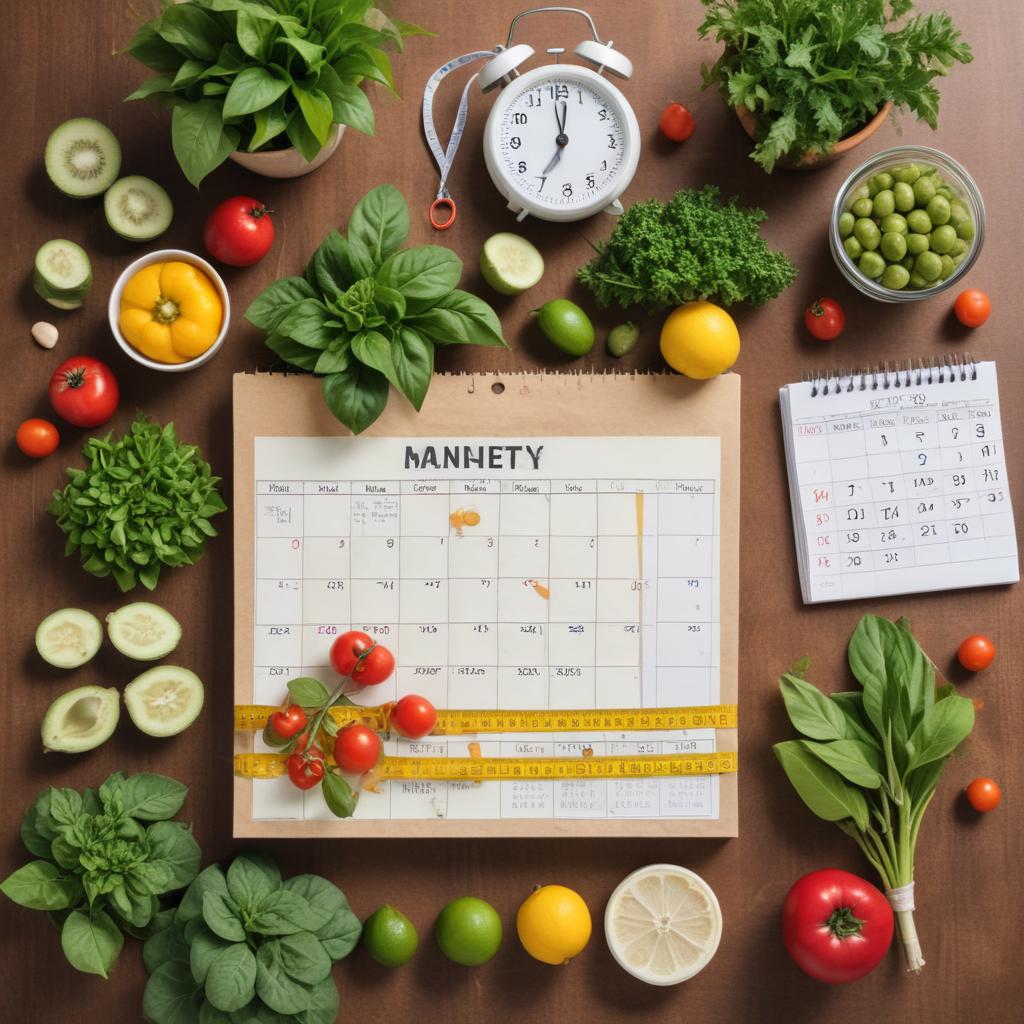
Here’s a practical transition guide:
| Week | Focus Area | Action Steps |
|---|---|---|
| 1-2 | Breakfast | Master plant-based morning meals (oatmeal, smoothies, tofu scramble) |
| 3-4 | Lunch | Find satisfying midday options (grain bowls, hearty salads, soups) |
| 5-6 | Dinner | Learn plant-based versions of your favorite evening meals |
| 7-8 | Snacks & Treats | Discover satisfying plant-based snacks and desserts |
| 9-10 | Social Situations | Practice eating out and handling social events |
| 11-12 | Fine-tuning | Adjust based on what’s working and what isn’t |
The Real Challenges (And How to Handle Them)
Social Situations Can Be Tricky
Let’s be honest—eating 100% plant-based can sometimes feel isolating. You might worry about being “that person” at dinner parties or family gatherings.
The trick is communication and flexibility. Let hosts know ahead of time, offer to bring a dish everyone can enjoy, and don’t make a big deal about it. Most people are more understanding than you’d expect.
Nutritional Planning Becomes Important
With a 100% plant-based diet, you do need to pay attention to certain nutrients. B12 is the big one—you’ll likely need a supplement. Iron, omega-3s, vitamin D, and zinc also deserve attention.
But honestly? Most people eating the standard American diet are deficient in something too. It’s more about being intentional with your nutrition rather than the diet being inherently lacking.
Convenience Foods Require Label Reading
You’ll become a label-reading expert pretty quickly. Ingredients like whey, casein, and gelatin are derived from animals and show up in surprising places.
The good news is that plant-based convenience foods are everywhere now. Even regular grocery stores carry plant-based burgers, ice cream, and milk alternatives.
Sample Day of Eating
Breakfast: Steel-cut oats with almond milk, topped with berries, walnuts, and a drizzle of maple syrup
Lunch: Buddha bowl with quinoa, roasted vegetables, chickpeas, avocado, and tahini dressing
Snack: Apple slices with almond butter
Dinner: Lentil and vegetable curry over brown rice, with a side of steamed broccoli
Evening treat: A square of dark chocolate (check that it’s dairy-free!)
Frequently Asked Questions
Is a 100% plant-based diet safe for everyone?
For most healthy adults, yes, with proper planning. But certain groups—like pregnant women, children, and people with specific health conditions—should work with a healthcare provider or registered dietitian to make sure all nutritional needs are met.
How do I get enough protein without any animal products?
This is probably the most common worry, but protein deficiency is actually pretty rare. Beans, lentils, tofu, tempeh, quinoa, nuts, and seeds all provide plenty of protein. Aim for a variety throughout the day, and your body will handle the rest.
Will I have enough energy for workouts and daily activities?
Many people report having MORE energy on a 100% plant-based diet, especially after the initial adjustment period. Plant foods are generally easier to digest and don’t cause the energy crashes that heavy, fatty meals can.
What about dining out and traveling?
It’s definitely gotten easier over the years! Most restaurants have at least a few plant-based options, and many now have entire vegan menus. For traveling, a little research ahead of time helps, and apps like HappyCow can point you toward plant-friendly restaurants.
How much does it cost compared to a regular diet?
It can go either way. If you’re buying lots of specialty plant-based products and organic everything, it’ll cost more. But if you focus on whole foods like beans, grains, and seasonal produce, it can actually be quite affordable. Meat and cheese are often the most expensive items in a grocery cart anyway.
What if I mess up or accidentally eat something non-plant-based?
Don’t stress about it! Perfectionism can be the enemy of progress. If you accidentally eat something with dairy or realize later that your bread had eggs in it, just get back on track with your next meal. The goal is progress, not perfection.
Is 100% Plant-Based Right for You?
Here’s the truth: a 100% plant-based diet can be incredibly healthy and rewarding, but it’s not necessarily the right choice for everyone. It requires some planning, especially at first, and it can feel socially challenging sometimes.
The health benefits are real and well-documented. Many people experience better energy, easier weight management, and improved health markers. But the “best” diet is always the one you can stick with long-term while meeting your nutritional needs and fitting into your lifestyle.
If you’re curious about trying a 100% plant-based approach, consider starting with a short trial period—maybe two weeks or a month. See how you feel, what challenges come up, and whether it seems sustainable for you.
Remember, even if you don’t go 100% plant-based permanently, increasing the plants in your diet and decreasing animal products can still provide significant health benefits.
What’s holding you back from trying more plant-based meals? Is it the protein question, worries about social situations, or maybe you’re not sure where to start with meal planning? Let me know in the comments—I’d love to help you take that next step!