

What is Korean Diet? Unveil Its Slimming Secrets! | Introductory guide to the mechanics of the Korean diet | Healthy Diet Happy Life
The Korean diet, also known as the “Korean traditional diet” or “Korean cuisine,” is a way of eating that is deeply rooted in the Korean culture and has gained international recognition for its health benefits. This diet mainly consists of rice, vegetables, seafood, and fermented foods, making it a nutritious and balanced way of eating.
The Basic Principles of the Korean Diet
The Korean diet follows a few basic principles that contribute to its health benefits:
- Portion Control: Koreans believe in moderation and do not overindulge in large portions. They focus on eating until they are about 80% full, which helps prevent overeating and weight gain.
- High Consumption of Vegetables: Vegetables play a prominent role in the Korean diet. They are often served as side dishes and are consumed in large quantities. This high intake of vegetables ensures a good supply of essential vitamins, minerals, and fiber.
- Low Fat and Balanced Meals: The Korean diet emphasizes low-fat cooking methods such as boiling, steaming, and stir-frying. It also includes a balance of protein, carbohydrates, and healthy fats, which promotes overall health and well-being.
- Fermented Foods: Fermented foods like kimchi, soybean paste, and fermented seafood are staples of the Korean diet. These foods are rich in probiotics, which promote gut health and enhance digestion.
- Seasonal and Local Ingredients: Koreans prefer to consume fresh, seasonal, and locally sourced ingredients. This ensures that they get the maximum nutritional value from their meals.

Credit: futuredish.com
Key Components of the Korean Diet
The Korean diet consists of several key components that contribute to its overall nutritional value:
1. Rice And Grains
Rice is a staple in the Korean diet and is consumed in almost every meal. It provides energy, fiber, and essential nutrients. Other grains like barley, millet, and buckwheat are also commonly consumed.
2. Vegetables
Vegetables are an integral part of Korean meals. Commonly consumed vegetables include cabbage, spinach, radish, bean sprouts, and various leafy greens. They are often served as side dishes or incorporated into soups and stews.
3. Seafood
Seafood, such as fish, shrimp, and squid, is a significant source of protein in the Korean diet. It is usually steamed, grilled, or stir-fried and is often consumed with rice and vegetables.
4. Tofu And Soy Products
Tofu and other soy products like soy milk and soybean paste are common sources of protein in Korean cuisine. These products are versatile and can be used in various dishes.
5. Fermented Foods
Kimchi, a spicy fermented cabbage dish, is perhaps the most famous Korean food. It is rich in vitamins, minerals, and probiotics. Other fermented foods like soybean paste, fermented seafood, and pickled vegetables are also commonly consumed.
6. Soups And Stews
Soups and stews are an essential part of Korean meals. They are often packed with vegetables, meat, or seafood and provide a warm and comforting experience.
7. Healthy Fats
The Korean diet includes healthy fats from sources like sesame oil, soybean oil, and nuts. These fats provide essential fatty acids and add flavor to the dishes.
Health Benefits of the Korean Diet
The Korean diet offers numerous health benefits:
- Weight Management: The emphasis on portion control and a balanced diet helps with weight management and prevents obesity.
- Improved Digestion: The high intake of fiber-rich foods and fermented foods aids digestion and supports a healthy gut.
- Heart Health: The low-fat nature of the Korean diet, combined with the consumption of seafood and healthy fats, promotes heart health and reduces the risk of cardiovascular diseases.
- Reduced Risk of Chronic Diseases: The Korean diet, with its focus on whole foods and vegetables, has been associated with a reduced risk of chronic diseases like diabetes, certain cancers, and hypertension.
- Enhanced Immunity: The wide variety of nutrient-dense foods in the Korean diet helps support a strong immune system.
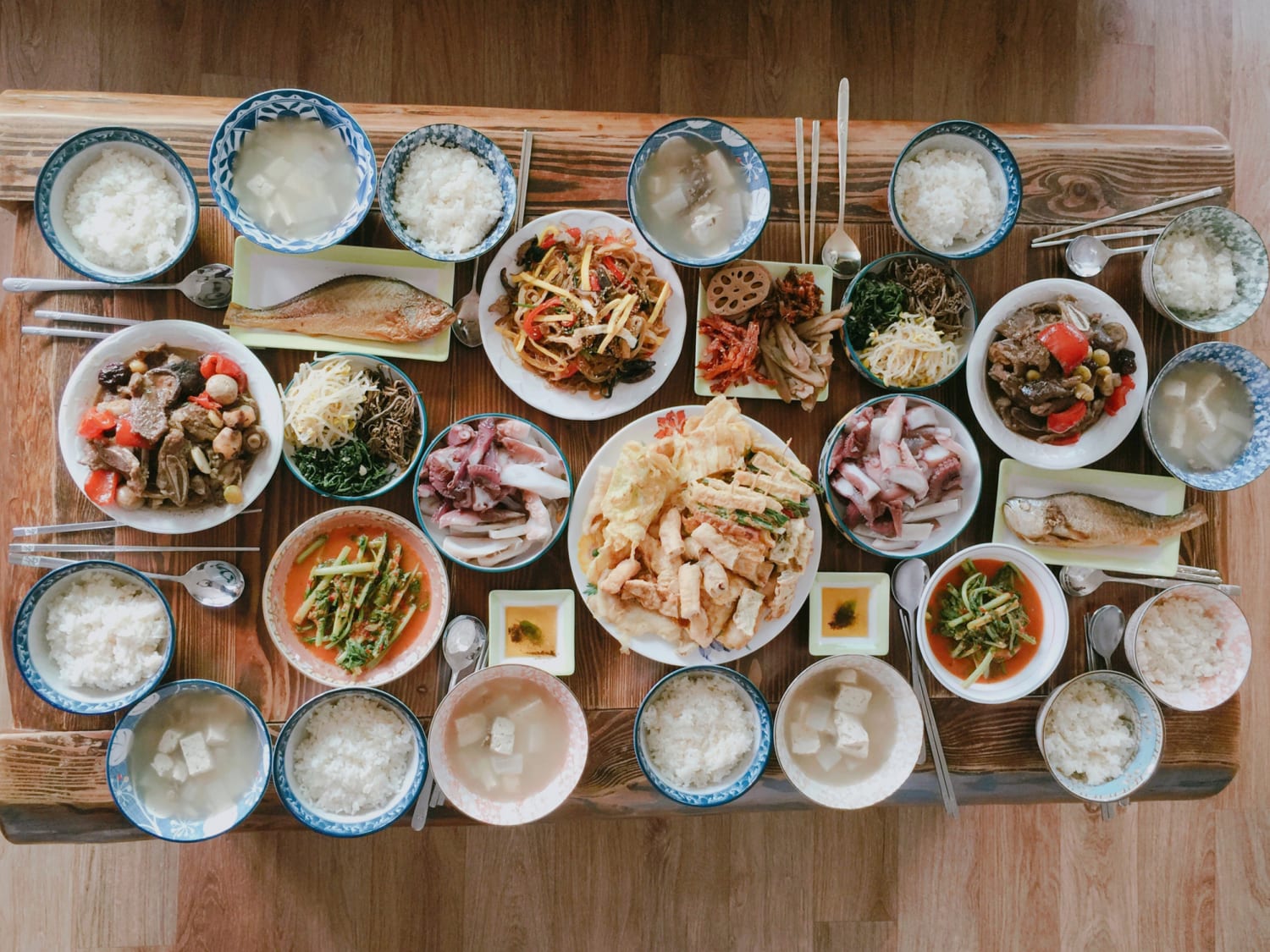
Credit: www.today.com
Frequently Asked Questions
What Is The Korean Diet Known For?
The Korean Diet is known for its balance, variety, and emphasis on vegetables and fermented foods.
Can The Korean Diet Help In Weight Loss?
Yes, the Korean Diet’s focus on low-calorie, high-fiber foods may aid in weight loss.
Are There Health Benefits To The Korean Diet?
Absolutely, the Korean Diet’s inclusion of nutrient-rich foods can improve heart health and digestion.
What Are Common Foods In The Korean Diet?
Popular Korean Diet foods include kimchi, rice, tofu, seafood, vegetables, and various soups.
Conclusion
The Korean diet is a wholesome and balanced way of eating that offers a wide range of health benefits. It emphasizes portion control, vegetables, whole grains, seafood, fermented foods, and healthy fats. By adopting the principles of the Korean diet, individuals can improve their overall health and well-being. So, why not incorporate some Korean-inspired dishes into your own meals and experience the benefits for yourself?


