

Is Intermittent Fasting Safe on a Keto Diet?
Intermittent fasting and the keto diet are popular. Many people want to know if they can combine both. This article will help you understand the safety of this combination. We will look at benefits, tips, and precautions.
What is Intermittent Fasting?
Intermittent fasting means cycling between eating and not eating. There are different methods. Here are some common ones:
- 16/8 Method: Eat for 8 hours, fast for 16 hours.
- 5:2 Diet: Eat normally for 5 days, limit calories to 500-600 for 2 days.
- Eat-Stop-Eat: Fast for 24 hours once or twice a week.
What is a Keto Diet?
The keto diet is low in carbs and high in fats. This diet helps your body enter ketosis. In ketosis, your body burns fat for energy. Here are key points:
- Focus on meats, fish, eggs, and cheese.
- Limit grains, sugars, and starchy foods.
- Eat healthy fats like avocados and olive oil.

Credit: www.amazon.com
Can You Combine Intermittent Fasting and Keto?
Yes, you can combine intermittent fasting and the keto diet. Many people find this combo effective. Both methods can help with weight loss. They also improve health. However, it is important to do it safely.
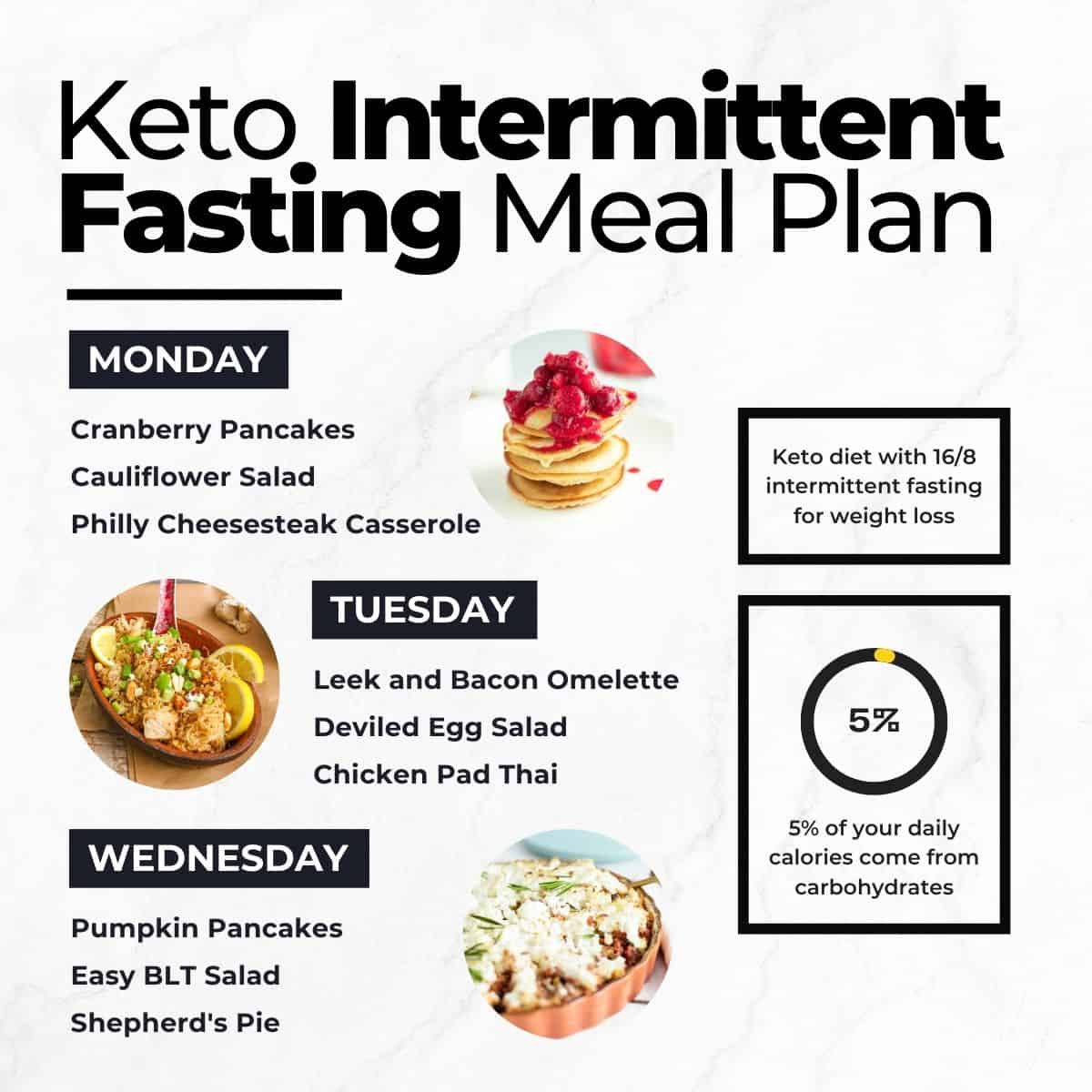
Credit: www.ketodietyum.com
Benefits of Combining the Two
There are many benefits to combining intermittent fasting and the keto diet:
- Weight Loss: Both methods help burn fat. Intermittent fasting creates a calorie deficit, while the keto diet promotes fat burning through ketosis, making the combination highly effective for weight loss.
- Improved Focus: Both intermittent fasting and the keto diet can enhance mental clarity and focus. When your body is in ketosis, it uses ketones for energy, which are a more efficient fuel source for the brain. Fasting can also reduce brain fog and improve cognitive function.
- Stable Energy Levels: By stabilizing blood sugar levels, the combination of intermittent fasting and keto can help you avoid energy crashes throughout the day. This is particularly beneficial for those who struggle with mid-afternoon slumps.
- Enhanced Fat Burning: Intermittent fasting can accelerate the process of entering ketosis, making it easier for your body to burn fat for fuel. This synergy can lead to more effective weight loss and body composition changes.
- Improved Insulin Sensitivity: Both practices can help regulate blood sugar levels and improve insulin sensitivity, which is beneficial for those with type 2 diabetes or those at risk of developing it.
- Simplified Meal Planning: Combining these two approaches can simplify your eating routine. With fewer meals to plan and prepare, you may find it easier to stick to your dietary goals.
Tips for Combining Intermittent Fasting and Keto
To successfully combine intermittent fasting and the keto diet, consider the following tips:
- Start Slowly: If you’re new to either practice, start with one and gradually incorporate the other. For example, begin with the keto diet and then introduce intermittent fasting once your body is accustomed to burning fat for fuel.
- Stay Hydrated: Both fasting and keto can lead to dehydration. Drink plenty of water throughout the day, and consider adding electrolytes to your routine to maintain balance.
- Listen to Your Body: Pay attention to how your body responds. If you feel overly fatigued or unwell, it may be a sign to adjust your fasting window or macronutrient intake.
- Prioritize Nutrient-Dense Foods: When you do eat, focus on nutrient-dense, whole foods that provide essential vitamins and minerals. This is especially important when your eating window is limited.
- Monitor Your Macros: Ensure you’re getting enough healthy fats, moderate protein, and minimal carbs to stay in ketosis. Use a food tracking app if necessary to keep track of your intake.
Precautions
While combining intermittent fasting and the keto diet can be beneficial, it’s not suitable for everyone. Consider the following precautions:
- Consult a Healthcare Professional: Before starting any new diet or fasting regimen, especially if you have underlying health conditions, consult with a healthcare provider.
- Be Aware of Potential Side Effects: Some people may experience side effects such as headaches, fatigue, or irritability, especially during the initial transition period. These symptoms are often temporary but should be monitored.
- Avoid Overeating: It can be tempting to overeat during your eating window, especially if you’re feeling hungry. Practice mindful eating and focus on satiating, nutrient-rich foods.
- Not Recommended for Certain Groups: Pregnant or breastfeeding women, individuals with a history of eating disorders, and those with certain medical conditions should avoid combining intermittent fasting and keto without medical supervision.
Conclusion
Combining intermittent fasting and the keto diet can be a powerful approach to weight loss and overall health improvement. However, it’s essential to approach this combination thoughtfully and safely. By understanding the benefits, following practical tips, and taking necessary precautions, you can make the most of these two popular dietary strategies. Always listen to your body and consult with a healthcare professional to ensure this approach is right for you.


